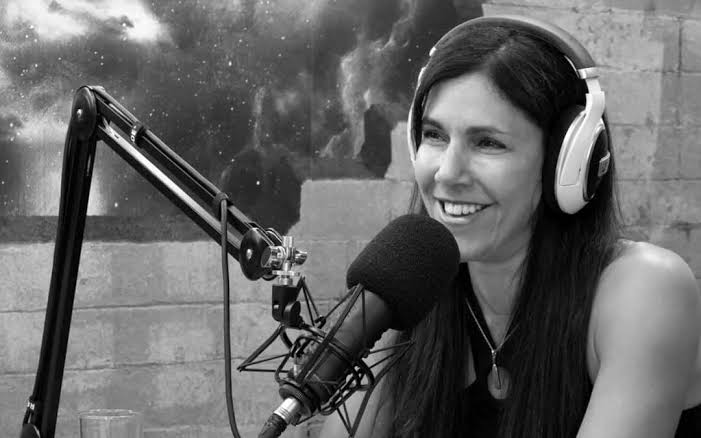
This week on Pushing the Limits, Lisa sits down with performance coach Ben Brown (BodySystems) to unpack the mindset and behavioral design that turn health intentions into daily execution. If you’ve ever felt that motivation is fickle and life is too busy to train, this conversation reframes the problem: it’s not you, it’s your systems.
What you’ll learn
Systems > willpower: How to engineer your environment so healthy choices become default.
Keystone habits: The 20% that drives 80% of results - sleep anchors, protein targets, steps, and strength.
Behaviour loops & identity: Using cue → routine → reward and identity statements to cement new patterns.
Time-efficient training: Minimum effective dose programming for busy professionals.
Nutrition, simplified: Protein forward meals, satiety, meal structure, and weekend-proof planning.
Stress & recovery: Why sleep outranks supplements; practical ways to down-shift sympathetic overdrive.
Relapse planning: How to bounce back fast after travel, illness, or deadlines.
From goals to calendars: Turning outcomes into calendarised actions and micro-commitments.
Share this episode with someone who’s “too busy” to be healthy and help them build a system that works in real life.
Resources & links
Ben Brown: Body Systems
Follow Lisa at: lisatamati.com | YouTube: @Lisa_Tamati
Ben Brown Bio:
Ben Brown is the founder of Body Systems, a global health and nutrition coaching company behind the revolutionary PrimeFit OS™, a system that has helped clients lose over 15,000 pounds and reclaim their lives. With more than two decades of experience, he has coached Fortune 500 executives, professional athletes, and organizations like the Golden State Warriors, Arizona Diamondbacks, and Arizona Cardinals, along with thousands of driven men and women seeking sustainable health solutions.
Holding dual master’s degrees in Exercise & Wellness and Clinical Nutrition, Ben also serves as adjunct faculty in the Health Sciences Department at Arizona State University. His coaching programs integrate the science of real-world data, the psychology of behavior change, and the art of coaching to deliver lasting results.
A husband and father of three, Ben blends his personal and professional experience to help clients unlock the energy, confidence, and health freedom they need to lead powerfully—without restrictive diets or unsustainable habits.
🎯 Personalised Health Optimisation Consulting with Lisa Tamati
Lisa offers solution focused coaching sessions to help you find the right answers to your challenges.
📌 Topics Lisa can help with:
Lisa is a Genetics Practitioner, Health Optimisation Coach, High Performance and Mindset Coach.
She is a qualified Ph360 Epigenetics coach and a clinician with The DNA Company and has done years of research into brain rehabilitation, neurodegenerative diseases and biohacking.
She has extensive knowledge on such therapies as hyperbaric oxygen, intravenous vitamin C, sports performance, functional genomics, Thyroid, Hormones, Cancer and much more. She can assist with all functional medicine testing.
🔬 Testing Options
Comprehensive Thyroid testing
DUTCH Hormone testing
Adrenal Testing
Organic Acid Testing
Microbiome Testing
Cell Blueprint Testing
Epigenetics Testing
DNA testing
Basic Blood Test analysis
Heavy Metals
Nutristat
Omega 3 to 6 status
and more
Lisa and her functional medicine colleagues in the practice can help you navigate the confusing world of health and medicine .
She can also advise on the latest research and where to get help if mainstream medicine hasn't got the answers you are searching for whatever the challenge you are facing from cancer to gut issues, from depression and anxiety, weight loss issues, from head injuries to burn out to hormone optimisation to the latest in longevity science. Book your consultation with Lisa
🤝 Join our Patron program and support the show
Pushing the Limits' has been free to air for over 11 years. Providing leading edge information to anyone who needs it. But we need help on our mission.
Please join our patron community and get exclusive member benefits (more to roll out later this year) and support this educational platform for the price of a coffee or two
You can join by going to Lisa's Patron Community
Or if you just want to support Lisa with a "coffee" go to
https://www.buymeacoffee.com/LisaT to donate $3
Your Health Compass: 11 Health Screenings. 10 Minutes. Zero Guesswork
Know your risks before they become problems.
Your Health Compass gives you 11 clinically validated health screenings in about 10 minutes — covering diabetes, autoimmune conditions, brain health, cancer risk, mental health, and more.
No blood tests. No doctor's visit. No waiting.Just science-backed questionnaires used in real medical research — now available to you for a one-time $19 payment.
✓ Instant personalised risk scores ✓ Downloadable report you can share with your doctor ✓ 100% private — your data never leaves your browser
Stop wondering "should I be worried about this?" and start knowing where to focus your prevention efforts.
→ Take the assessment now at yourhealthcompass.org
🌟 Lisa’s Anti-Aging and Longevity Supplements
Lisa has spent years curating a very specialized range of exclusive longevity, health optimizing supplements from leading scientists, researchers and companies all around the world.
This is an unprecedented collection. The stuff Lisa wanted for her family but couldn't get in NZ that’s what it’s in her range. Lisa is constantly researching and interviewing the top scientists and researchers in the world to get you the best cutting edge supplements to optimise your life.
🎥 Subscribe to our popular Youtube channel
with over 600 videos, millions of views, a number of full length documentaries, and much more. You don't want to miss out on all the great content on our Lisa's youtube channel.
📚 Order Lisa's Books
Lisa has published 5 books: Running Hot, Running to Extremes, Relentless, What your oncologist isn't telling you and her latest "Thriving on the Edge"
Check them all out at
https://shop.lisatamati.com/collections/books
🔴 Red Light Therapy:
Lisa is a huge fan of Red Light Therapy and runs a Hyperbaric and Red Light Therapy clinic. If you are wanting to get the best products try
Flexbeam: A wearable Red Light Device
https://recharge.health/product/flexbeam-aff/?ref=A9svb6YLz79r38
Or Try Vielights’ advanced Photobiomodulation Devices
Vielight brain photobiomodulation devices combine electrical engineering and neuroscience.
To find out more about photobiomodulation, current studies underway and already completed and for the devices mentioned in this video go to
www.vielight.com and use code “tamati” to get 10% off
🎙️Enjoyed This Podcast?
If you did, subscribe and share it with your friends!
If you enjoyed tuning in, then leave us a review and share this with your family and friends.
Have any questions? You can contact my team through email (support@lisatamati.com) or find me on Facebook, Twitter, Instagram and YouTube.
For more episode updates, visit my website. You may also tune in on Apple Podcasts.
To pushing the limits,
Lisa and team
Episode Transcript
FORMATTED TRANSCRIPT: BODY SYSTEMS APPROACH TO HEALTH & FITNESS WITH BEN BROWN
Opening Quote
"And so from a human psychology standpoint, we have to find kind of the motivational aspect of like: what are you willing to do? How does it fit with your lifestyle? And how do we start to build that intrinsic motivation around that?"
Introduction
[Music]
Well, hi everyone. Welcome to Pushing the Limits. Today I have the wonderful Ben Brown with me. Welcome to the show, Ben.
Ben: Fantastic to have you, Lisa. It's a pleasure being here. Thanks for having me.
Lisa: Oh, it's going to be a good conversation.
Ben's Background
Lisa: Now, you are an amazing exercise scientist. You've got Body Systems. You are incredible at helping everyday people reach their fitness and weight goals and stay healthy. But yeah, in your words, tell me a little bit of your backstory and how did you get into this space, Ben?
The Personal Journey
Ben: Yeah, for sure. Well, I appreciate you asking. And it's kind of been a long - as I think for most of us - like, we all have our own personal struggles that we go through that sort of lend itself to us having to develop the tools and the skills to first and foremost help ourselves.
Helping Others
And by virtue of doing that, we come to realize that those very same skills are the exact skills that we can then leverage to help others. And that's, you know, certainly what happened with me growing up.
The Stomach Issues
The Beginning
I had a number of stomach issues growing up, through high school. A lot of kind of acid reflux, IBS-type symptoms. I would throw up a lot after I would eat - all kinds of gastrointestinal issues.
The Family Joke
And we kind of joked about it in my family because my mom has a ton of issues. And it was kind of like the running joke - "Ben has a sensitive stomach like his mom" - which I just kind of chalked it up as being normal.
The Symptoms
Like, if I would eat an overly fatty food or processed food, I would kind of get sick. And it was so uncomfortable over the years that I started to realize - and had kind of gone down the conventional medical route of been on the antacids.
The Endoscopy
They did an endoscopy to look at my stomach lining. They're like, "It's inflamed, but there's nothing - you know, quote-unquote - there's nothing wrong with you. Just keep taking the medicine."
Lisa: Mhm.
The Root Cause
Ben: And I came to realize that from the time I was like a newborn, I had been on round after round of antibiotics. That obviously - we know, and I'm sure your listeners know - that just completely wipes out good gut bacteria.
The Degradation
So I had this kind of overt gut degradation that had been progressing over the years and developed food sensitivities. And so my journey was a lot of kind of just starting to figure out how I can heal myself.
College Rugby
Lisa: Yeah.
Ben: I went to college. I played rugby at University of Arizona here. Here in Arizona. We're a rugby nation, obviously.
Lisa: Yeah.
The New Zealand Tour
Ben: Well, we - and funny enough, when I graduated UVA, we toured New Zealand for a couple weeks. Got our asses absolutely handed to us. But it was beautiful and fun. And drank plenty of beer along the way, as rugby players do.
The Athletic Side
But, you know, I just was - I was athletic, into sports, naturally health-minded. Fitness came easy for me. It just was sort of perpetually like I was just trying to figure out what was going on with...
Nutrition is Key
I knew nutrition was the key. I knew nutrition was the key.
Graduate School
I went to graduate school for exercise and wellness. Studied strength and conditioning. Continued to just explore on my own - like, how to get my own stuff in check.
Functional Medicine
Started studying functional medicine from some of the best practitioners in the world. Got out of grad school and kind of finally came to the diagnosis of - like, I'd been struggling with H. pylori, leaky gut, food sensitivities.
Getting It Under Control
Worked with some great practitioners to get it under control. Tightened up my nutrition. And like I said, that was the impetus for me to realize the power of nutrition, of lifestyle, how everything is integrated together.
Body Systems
And really wanting and desiring to take this kind of whole-body approach to health and fitness and wellness - hence the name of my company, Body Systems - is really looking at all of the body systems in this sort of symbiotic approach to how can we help someone improve their health.
The Iteration
And that's really been the process over the past now - 15 to 20 years - of iterating of like: how do we help people? Be it in person, be it online, be it through supplementation, be it through functional medicine, be it through the nutrition and lifestyle coaching. And that's really our kind of belief system.
Pain to Purpose
Lisa: Yeah. No, absolutely fabulous, Ben. Isn't it - these pain-to-purpose stories are so common. And it really is a driving force when you have something wrong with yourself or a loved one.
In My Case
Often the case - in my case, it was a loved one who had major issues that really threw me into this space. And it's really - I find people that have that sort of background, and they have an empathy for people.
The Top Trainer Example
That if you've never experienced - if you were a trainer, like a top trainer like you are, but you never experienced all this - you might blow off a young athlete who's going, "I've got sore guts and I've got this and I've got that."
The Triathlete
I'm working with an elite triathlete at the moment. And his coach is going, "Why are you taking so many pills? What is this lady doing?" And they have no idea. And because that's not their area of expertise. But they don't understand the things that this young man's going through because they're not in the functional medicine space. They're not doing...
Having Your Own Story
So when you find someone who has that - has their own story - they're often very open to hearing and listening to their clients, their patients, and actually getting to the root cause and then finding out.
Athletic vs. Gut
Because like you said - the athletic side of your story - that came easy to you, to be this top athlete. But you had these gut issues. So that was something that - and it makes you a more compassionate person when you're dealing with people.
The Biotech Company
Lisa: And I find it - it's really interesting that the gut - I have a biotech company, AMLABS. And we've gone after immunosenescence with our formulation that we've just released in the last six months, which we've spent years prepping for.
Sorry, that's my note-taker just popped in there. I don't know why. Ignore.
Immunosenescence
So the biotech company - so we've gone and worked on immunosenescence - the aging of the immune system. And that's very much tied to the gut.
What We See
And we see a lot of leaky gut. We see a lot of calprotectin high, zonulin high, and microbiome testing and all of this. IBS symptoms. Leaky gut is a major, major issue that is coming up a lot.
The Central Pillar
And so, you know, suffice to say that working on the immune system and the gut health is really the central pillar, if you like, to getting somebody well. That's usually where I start, no matter what they're dealing with.
Where It Starts
Often it's come from the gut or it's related to the gut and the immune system. So that's always a really good place to start - doing sort of things like microbiome testing or just taking a good intake form of what's actually going on, what symptoms are they having.
Ben's Clients
Lisa: So tell me a little bit of the types of people that you are working with and what are some of the challenges that you commonly see in your practice and that resonate with people listening.
High Performers
Ben: I mean, candidly, I work with a lot of people like us. I work with highly driven, high-performing men and women who are committed to kind of making change around their energy levels, their physique, their performance, their longevity.
Men in Their 40s, 50s, 60s
I work with a lot of guys specifically in their 40s, 50s, and 60s that have been successful in business. And they have not been successful with their body composition, their physique, their energy levels.
The Tipping Point
And they're kind of at the tipping point in their life where they prioritized everything and everyone and everything else - except themselves.
Disgusted
And they've kind of are - frankly, for lack of a better term - disgusted with the way that they're showing up. Because it very much is not in their identity to kind of be on display the way that they are.
The Pride
They pride themselves on their success in business, the way they raised their kids. And ideally the example that they're setting. And fundamentally, they're not upholding their end of the bargain with respect to the example - with respect to the vows that they made to their significant other when they got married.
At Wit's End
And so they're kind of at wit's end in terms of: "How do I make these long-term changes? Like, yeah, I want to look good. But ultimately, like, I want to feel good. I want to be around a long time for my family. And like I said, be able to set the example for my kids as they grow."
Lisa: Yeah.
The Difficulty
Lisa: And it's so difficult to do nowadays, isn't it? Like, it's so easy to get caught up in your business and your life and looking after everybody. A lot of moms do this as well.
Thinking You're Doing Right
And you think you're following the advice. You think you're doing the eating well, you're doing - and it's just falling short. Like, we have these generic influences on Instagram telling you to, you know, "Everybody should be keto. No, everybody should be this. And everybody..."
No Personalization
There's no personalization. There's no looking at your situation. What do you think about all that sort of stuff that you see online?
Busyness
Ben: Well, I think you're right. We thrive off of busyness. And there's no lack of opportunity for us to eat up hours of the day - whether we are being productive or not.
Not Being Productive
For so many people, we're not being productive. But we still classify it as being busy - to the detriment of, like we were discussing, our ability to cook healthy food, plan, prepare, shop, organize, create structure in our routine, hit the gym, help our kids make better decisions, and show them how to make better decisions around their nutrition.
The Friend's Son
I literally just got off a call with an old friend from graduate school. And she was expressing - she has a 14-year-old son who's overweight. He's pre-diabetic. She's a busy dentist. She has a busy practice. Her husband works 60 hours a week as well.
At Wit's End
And she's at her wit's end around the fact that she let this happen. And I applaud her for taking ownership over the situation. Because our kids are going to do what we do. They're going to eat the food that's in the house. We're the ones shopping. We're the ones preparing or not preparing or eating out.
Hard Conversations
And these are the hard conversations that we have to have, Lisa, around taking true ownership over our behaviors. And the conversations that I have with clients around: if you're not where you want to be, it's your fault. If your kids are not where you want them to be, it's your fault.
Prioritizing
And so how do we start to prioritize and structure things appropriately in our life to place the value on those things? If you say your family's number one, if you say your health is number one - show me. Show me your schedule. Show me how you're prioritizing it.
Not Actually a Priority
Otherwise, it's not actually a priority for you. And so these are the really challenging conversations that we have with clients first and foremost - of making sure that they're in a position where they actually want to make change.
The Grind
And acknowledging is like: you continuing to grind on business - as financially lucrative as it is - like, physiologically, psychologically, emotionally, you're suffering. And that's not going to - what good is that going to do for the goals that you say that you have for your health and your family long-term?
Lisa: Yeah.
Juggling Everything
Lisa: And it is so easy to just let go because we have got a lot on our plate nowadays. And we have got a lot of things going on. And we are juggling a lot of balls.
Three Companies
I run three companies. And I have a disabled mom who's 24/7 care. And at times, you're just tearing your hair out like - with exhaustion and with the things.
Prioritize the Inputs
But that means that I have to prioritize the good inputs as best I possibly can manage. Like, starting the day off right. Taking my HRV in the morning, my heart rate. Having a cold shower. Jumping on the trampoline for one minute. Whatever I can manage in that in that chaos of that morning schedule.
The Morning Routine
That it takes me an hour and a half to get her up and ready and get all her supplements and all her things ready.
Ben: Yeah. Yeah.
Lisa: And all her injections and all the stuff that I have to do before I even get to work.
Similar Situations
And a lot of people are in similar or different. They got kids, they got disabled kids, they've got parents to look after. And so you have to have everything tightly scheduled and sort of down to a routine in order for it to function.
Developing Systems
And it takes a while to develop these systems, I find. And I'm always tweaking my systems to try to improve. Got a long way to go.
Little Things
But there's little things that we can start to do every day that really help move the needle forward. Would you agree with that?
100% Agree
Ben: I would agree 100%, Lisa. I mean, it is hard. Like, it - amongst everything, we make it hard for ourselves. And there's nothing that's easy about having a tremendous amount of responsibility - which, frankly, are a lot of the clients that we work with.
The Responsibility
But therein lies the responsibility to again prioritize those things. And I think it's absolving people of the pressure of what they - of absolving them of all the stuff that they think they need to do.
Getting Clarity
And rather helping them get clarity around how simple it can be just to start to drive some momentum.
Absolving the Pressure
It's like, "Listen, let's forget about what you think you need to be doing around like planning all your meals and training four or five days a week and starting to run and only eating clean foods and never drinking an alcoholic beverage again. And like..."
The Low-Hanging Fruit
"If we just absolve you of all of that and we simply start from what the low-hanging fruit is - like, hey, listen, maybe we just need to implement a bedtime routine and a wake-up routine."
The Bookmarks
Like you said, it's like: am I getting to bed on time? Can I get quality sleep? Am I doing the things that are going to contribute to a quality night's sleep? Can I wake up at the same time every morning? Can I get moving? Can I get some sunlight in my eyes? Can I set the foundation there as the bookmarks?
Building Structure
And then can we start to build some structure in between? Can we just start to move more? Can we focus on just eating a little bit more protein? Can I focus on hydration? Can I knock down the alcohol intake? Can we add in some more nutrition or supplementation or focus on some gut health?
Little by Little
It has to be - I say to my kids every day: "How do you eat an elephant?"
"One bite at a time, Dad."
It's like, that's it.
Getting Overwhelmed
It's so easy to get overwhelmed with, as you mentioned, all of the stuff on social media and all of the influencers is like, "Oh, maybe I need to go carnivore starting Monday."
Overly Restrictive
And it becomes these overly restrictive, really seemingly complex processes that lend itself to us just not being consistent.
Consistency
And the only way we're going to develop the behaviors and the skills and the tools is by establishing that semblance of consistency. Which means it has to start with what we're willing to actually and capable of actually doing.
Different for Everyone
And that's - fundamentally, it's different for everyone, which is what we try and figure out in the initial stages of when we work with people so that we can start to build momentum and progress.
It Becomes Intrinsic
And then it becomes intrinsic. It becomes something where it's not so much "I have to do this," but "I get to do this. I want to do this."
Feeling Better
"I know I'm feeling better when I'm doing these things. I'm getting better sleep. I'm waking up refreshed. I want to move now. I'm actually getting my hunger back. I want to be able to eat healthy foods, stop relying on sugar, caffeine so much, yada yada."
You get it.
Lisa: Yeah.
Routine Beats Willpower
Lisa: This is just preaching from my book. Because it's - it really is tackling the little things that you can right now, not trying to tackle everything at once.
And I always say that routine beats willpower any day. Like, with willpower, we last maybe a week or two. Or even shorter.
Biological Systems
Because we have biological systems that are geared towards chasing fat and sugar. And if we feed those systems and we're not putting in the right stuff, you're fighting a losing battle against the evolution of how we came to be.
Used to Chase
We used to have to chase sugar and fat because that was prime for survival. That was the thing. Now it's on every street corner. That's a problem.
Routine Instead
So we want to go down to setting a routine rather than trying to rely on your willpower. Because when something becomes a routine - 60 days, 90 days, whatever it takes for you to really set something up - and it just is a little thing that you've changed and implemented.
Building on Success
And then you have a little success. And then you build on that little success. And you fall off the bandwagon. And you go off and drink too many beers. Or you go and have something bad to eat.
Not Beating Yourself Up
It's like, "Okay, not beating yourself up. But just going right back on the bandwagon. Where did I go wrong there? And what can I do better today?"
The Guilt Trips
Rather than the guilt trips. Because when you have the guilt trips put on you - and we do it to ourselves - then you're like, "Ah, stuff it. I'll go and eat twice as much because I've already broken my diet or whatever. I might as well go crazy then."
"I'll start again on Monday."
And that sort of mindset is really detrimental.
The Genetics Example
Lisa: And I - the other thing I see that a lot of people doing wrong is - like, I do genetics in my practice. And I'm a big fan of understanding what you were born with in order to understand what you should be doing with your body - to get a user manual for your body.
The Lady Last Week
I had an example of a lady last week. She was so disciplined, doing everything right. But very overweight, always been overweight, feeling like crap.
Doing Everything Wrong
And I did genetics. And I'm like, "You're doing exactly everything wrong. Because you've been following the influencers on Instagram, been doing the keto diet - high fat, high saturated fats, high meat intake."
The Wrong Type
"And you were a person who needed a lot of vegetables and hardly any meat."
And so she was like being this super disciplined. She said, "I can't eat less. I'm eating once a day. I'm just having one pork chop a day."
And I'm like, "That's the wrong thing for your body type, for your genetics."
So Sad
And it's sad because they're so disciplined, so trying hard. And all they ever reap is criticism from other people. "Yeah, you're overweight. You must be eating..." - the stereotypical sort of responses.
Never Had Problems
And like - you get that from a lot of guys who've never had problems maybe with their weight. And they just think that anybody that's overweight is undisciplined and is eating crap.
My Experience
And I'm like, "I'm an ultramarathon runner. I spent 25 years doing extreme, extreme amounts of exercise. And the more exercise I did, the fatter I got at the time."
Massively Inflamed
Like, I was massively inflamed. I was over-cardiovascular exercise up the wazoo. I wasn't doing enough weight training. And that was all wrong for my body type, for my genetics.
The Example
And I just got fatter. I mean, I was running - I ran through New Zealand at one point, and I was doing 500 kilometers a week. I don't know what that is in miles, but 300-odd something miles.
Put On Weight
And I put on weight. And I'm like, "If this calories-in-calories-out thing is a thing, it's complete and utter BS." Sorry.
It wasn't working. In that case, I should have been a stick figure. And I wasn't.
The Problems
Because it was massive inflammation, massive hormonal dysregulation, adrenal burnout, all of these things, thyroid going south - all of these things that I'd done to myself because I'd believed the story of "the more you exercise, the more you'll lose weight."
And that couldn't have been further from the truth.
Chopping It Down
When I chopped it down and I did genetics and I studied it and I worked out what I should be doing - which was a hell of a lot less, and on a tenth of the exercise that I'd previously done - I got really ripped, got lean.
Late to the Game
And I wasn't - unfortunately, by the time I did all this, I was in my late 40s, early 50s. So it took me a long time to work this stuff out.
The Six-Pack
Yeah, I got the six-pack that I'd always wanted. I got to be super lean, super functional. But I had to undo all of that damage that I'd done trying to be disciplined.
Exercise and Weight Loss
Ben: I think it provides a really good example, though, just from a scientific standpoint and from a metabolism standpoint, of why exercise in and of itself is just not a good weight loss tool.
The Misconception
And I think it's a massive misconception around people leveraging - and this is a common conversation that I have with clients - around trying to use exercise to drive weight loss.
The Body Fights Back
Because fundamentally, again, from a metabolic standpoint, our body fights back really hard against caloric expenditure. And from almost like a survival mechanism standpoint - to the degree that for most people, it's going to force them to move slower, to function slower, to eat more, to crave more, to digest slower, to offset hormones.
Lisa: Yeah. 100%.
Ben: Right.
All Those Things
All of those things. And it's liberating. And what I actually like to frame it as - and perhaps for your listeners - is I think it should feel liberating to know that you actually don't have to crush yourself in the gym and have barf-inducing workouts or be just like doing all the burpees and the boot camp classes.
Contributing to the Problem
And in many cases, those are part of what's contributing to you not being able to see change. Because it's contributing to you inadvertently overeating, inadvertently moving less during times when you're not exercising, shifting hormones, being more inflamed - all of those types of things.
Optimize Instead
And instead, it's like what you're doing is like: how do we optimize for gut health? How do we optimize for nutrition? Make sure you're getting enough of what you need.
Calories Still Matter
Like, yes, calories still absolutely matter. But it becomes a lot easier of an equation when we're not trying to offset all the garbage that we're eating with heaps and heaps of exercise. Because that doesn't work.
Lisa: No.
The Young Athlete
Lisa: That - and that was my paradigm, especially as a young athlete. Because I thought, "Well, I'm training so much, I can eat whatever I like." And I did.
Pasta and Rice
And back then - of course, ultramarathon runners - we used to be pasta and rice and all of the carb, carb, carb, carb. Because that's what we were taught back in the day.
For Some It Worked
And so you just had this completely wrong paradigm. And for some people it worked. For some people - young males usually - it worked. For females, not so much. For menopausal females, definitely not.
All the Considerations
You have to take into consideration your load that you have in life, where you are in life, what decade you're in in life, where you are hormonally in life - all of these aspects - plus the genetics, plus where your actual health is at right now.
Complex but Basic
And put all those pieces together - how much viruses you've been exposed to, all of these sorts of things - come into the picture of what is actually ideal for you.
And that's where it gets a little bit complex. But you can do some basics, for starters, like you said - bring it back down to the simple. We can get complex later once you're more advanced and you know what you're doing. But at least get on the right train track for your body. That's the key.
Ben: You know, and I mean, I think that's what I think.
The Age Factor
Ben: I'm 46. A lot of the guys - men and women I work with - are late 30s, 40s, 50s. And we are often in a position where the, as you've alluded to, is - where many of us are in a position where the things that we used to do just don't quote-unquote work anymore.
The Accumulation
And that's where we have to look at the compilation of things that we're exposed to over the decades and how it's literally accumulated.
Whether it's environmental toxins have accumulated, whether it's a slow progressive gut degradation, whether it's the accumulation of stress or our perceived stress, whether it's our dietary habits, our alcohol consumption habits.
All Relevant
Like, all of these things are relevant. But fundamentally, is we have to kind of lay things on the table and get a baseline assessment.
Lab Testing
Whether there's lab testing involved, whether we're looking at caloric intake and nutrient intake, and then assessing of like: how do we root through this? And what's the most logical place to start in terms of starting to take control of these behaviors?
On the Same Page
I think we're 100% on the same page there around - that's the process of helping people change their behaviors for long-term change.
Lisa: Yeah.
Decades of Trying
Ben: Because there's really no other way to do it at this juncture. Fortunately, though, we do have decades of trying a lot of things, I think, for people.
Lisa: Yeah.
What Did We Learn?
Ben: Right? If we shift the perspective of like: "I did all these things and they didn't work." Well, what did we learn through doing all of those things?
The times when you went keto or you did Whole30 or you did a whole bunch of ultramarathons - what did we learn about our body during those times that were helpful for us and that were not so helpful?
Honing In
And how can we start to hone in on the right strategy for us? Our lifestyle, our readiness for change, our existing knowledge, our level of commitment, what fits with our family dynamic, our social support system.
Like, there's so many factors at play. It just needs to be very tailored to the individual.
Lisa: Yeah.
Seeing Lives Changed
Lisa: And then you get the results. And that shows with all the people that you've worked with. You get results.
And isn't it rewarding when you see people's lives changed, empowered, inspired? And those - like you say, you're working with a lot of hard-charging people with big careers and things. And then they have a massive impact in the world positively because they're showing up better and they're going to live longer and they're going to be healthier and they're a better role model for everybody.
The Knock-On Effect
And it has a knock-on effect on society when you do that. So like, is this part - for you, like personally - is this a real mission feeling? Working with people and having this impact in the world and seeing people's lives?
A Responsibility
Ben: Yeah. I mean, I view it as a responsibility at this point of - the way that I can make the biggest impact in the world is by helping other people make big impacts.
How It Permeates
And that starts with the way that they show up, the way that they lead by example, how it permeates throughout their family, through their community, through their businesses.
Every Single Human
Ultimately, I think that's the way that we can make the biggest change. And it's empowering to know that we have a skill set and we have tools that could literally help every single human being on the planet.
Selfishly
And so if this is the best - and ultimately, selfishly, like, I love this stuff. I love learning. I love nerding out on this. And I love learning it for myself. I love teaching it.
Love Talking About It
Obviously, you can tell - I love talking about it and being able to apply those skills and tools to other people.
Fortunate Situation
So it's - I think one of those very fortunate situations where I genuinely get to do every day the things that I love to do.
Lisa: Yeah.
Finding Your Mission
Lisa: Isn't it wonderful when you have a mission in life and you know where you're meant to be and what you're meant to be doing? It takes a long time to get there, I found - certainly for me.
Empowering
But it's really empowering, isn't it, when you - when you actually - "All right, I'm actually at an age now when I've got quite a lot of experiences and knowledge." And spent my decades in the trenches and doing the wrong things and learning the hard way that you can now share that with other people who are ready to learn.
Not Everybody's Ready
And not everybody is ready. Just last week, I had a mom come with a daughter with problems. The daughter wasn't ready. Like, she wasn't going to listen. She wasn't going to...
Educational Stuff
So I said to mom, "Here, there's a whole lot of educational stuff that I want you to start off with and try to get her to listen to. And then maybe we'll talk again in a few weeks time or a couple of months' time."
When They Really Want Help
You have to get the person into a position that they are actually - tried a lot on their own - and now they really want help. When they really want help and they...
The Listening
And I think the other biggest thing, Ben, too - is I work a lot with people with cancers and dementias and things like that and really severe brain injuries and all sorts of things - is really listening to them.
Not Being Listened To
And not - like, a lot of them have been really not listened to by their doctors. Unfortunately, the stories that I get over and over and over again is either "there's nothing wrong with you" or "you're just complaining" or "just take your..."
Don't Think for Yourself
"You can't come with your own ideas. Don't bring me this research that's just come out. Don't think for yourself. It's my way or the highway."
Completely Outdated
And these sort of approaches I find are completely and utterly outdated. And we need to be listening to our clients.
All in Your Head
And the amount of time that people come and they're like, "I was just told it's all in my head."
And I'm like, "It's just not in your head. And here's actually what's going on in your body."
Testing
Or we do some testing, we find out what's going on in your body, and we work it out. And those people have just been palmed off, palmed off, palmed off.
The System
Because the system is not set up that way. They've got 10 minutes with you. How are they going to get to a deep root cause that's complex that takes some testing, that takes a really deep look under the hood?
Give You a Pill
When the system is set up to give you a pill and next person in 10 minutes' time - we're not going to get there with that system.
The System is Broken
Ben: No. Fundamentally, the system is broken. And there's far too much gaslighting going on in our medical industry.
Best Interests
And I genuinely believe that every doctor has their patients' best interests in mind. But it really is the system that has set them up to fail or to treat it as such a transactional process and such a business-driven transaction that they can't help but again treat it as such.
Very Unfortunate
And it's very, very unfortunate because, as I alluded to at the very beginning of our conversation, we know unequivocally the complexity that is the human body and all of the body systems as they interact with each other, as it interacts with our environment, the role that genetics play, the role that the gut plays.
Fundamentally Flawed
And so to suggest that we're going to be able to diagnose and treat through our conventional practices is fundamentally flawed.
Lisa: Yeah.
The Time and Numbers
Lisa: And especially with the short amount of time and the numbers that the doctors have to process per day. Because it's an insurance-based system or a government-based funded system where you've got to see someone every 10 to 15 minutes to make the whole practice work.
Incentivized
And where you are incentivized to prescribe drugs. Where you're incentivized to do certain things all the time. That's not a conducive way to get to the root cause.
Functional Medicine
And then there are functional medicine practitioners and things that - and cellular health experts and regenerative medicine and all of these things - like A4M and all those things that are coming up now that are going into a much deeper level.
Learning From
And they're the types of people that you and I probably learn from. And I think that approach is a much better approach to go sort of fundamentals.
Scratching the Surface
And I still think - being that - like, we're scratching the surface of what we actually understand of the human body. I don't think we're even like 0.1% of the way there.
AI and Breakthroughs
And we're going to learn a lot in the next few years with AI and some of the breakthroughs that that's going to allow. So that's exciting.
Red Tape
I just wonder whether we're going to get tied up in red tape. And a lot of the breakthroughs that we have are actually never going to be seeing the light of day, which is something that I worry about.
Never Get Momentum
Like, I see things like peptides or hyperbaric oxygen therapy or things that are fantastic. But they never get the momentum. They never get the light of day. And there's so much pushback against them because you can't make - because it's not supportive of big pharma.
I'm Optimistic
Ben: But I'm optimistic, Lisa. I mean, I think that with people like you and other practitioners like us speaking out - I think by virtue of the fact that the medical system is the way that it is, people are forced to start to do their due diligence.
Accessibility of Information
And with the accessibility of information nowadays, we're able to actually understand and learn more and more and more. Which people, by virtue of people doing their diligence, like - they're becoming more aware, they're becoming more knowledgeable, they're looking for alternative methodologies.
Supply and Demand
And so we're going to get more and more people that actually want these quote-unquote alternative treatments. And it's supply and demand here.
People Want It
I mean, if people are understanding the value in peptides and hormonal treatments and hyperbaric chamber and genetic testing and the complexity and validity of gut testing and treatment - then we're going to have people that are wanting those.
And we know that there's more and more and more every single day.
Pushback
So again, I'm very optimistic about it. Not that there's not going to be pushback. But I think that that's where having conversations like this can only help.
Lisa: Yep.
The Movement
Lisa: Again, it's inch by inch by inch. Each one of us talking creates a movement from the people to the people basically. Where it's no - we're able to get our stories out there through things like podcasts.
Body Systems Approach
Lisa: And I think - just coming back to what you do - like, Body Systems - you called your company Body Systems. What is your approach to your systems? Like, where...
So someone comes to you. Walk us through your process of how you work with them to really get to the core of what's actually going on with this person. And how does the systems side of it come into it?
Clarity
Ben: Yeah, for sure. And for clarity, it's - I'm not taking the place of a physician or functional medicine practitioner. It's like I have a deep understanding of that stuff, having gone through it personally and having studied it for a long time.
What We're Doing
But at the end of the day, what we're doing is - I mean, we're helping people take autonomy and control and feeling empowered to take control over their health through our nutrition, our strength, and our lifestyle coaching.
The Baseline
And so it all starts with just getting a baseline understanding of what people are currently doing. And most importantly is helping them get an understanding and an awareness around their existing behavior.
What Are They Doing?
So what is their food consumption, their caloric consumption look like? Because remember, the vast majority of the clients that we're working with - like, they're looking to lose weight, they're looking to lose body fat. They're looking to improve energy. They're looking to get stronger, to get leaner, to put on lean muscle tissue.
Helping Health
All of which, by the way, of course, is helping to improve health, to manage blood sugar more effectively, to improve metabolic output, to improve blood sugar regulation - like all of those things.
The Metrics
So we're looking at nutrition intake. We're looking at overall movement output - like how many steps they're accumulating in a given day or given week. How many hours of sleep are they getting?
Objective Metrics
Very objective metrics - circumference measurements, body weight, maybe body fat testing - objective metrics of establishing a baseline.
The Road Map
And then from there, really building out a road map of: "Here's where you are. You said you want to go here in terms of losing 30 pounds in the next six months."
What We Know
We know by doing that, we're going to improve gut health. We're going to improve energy. We're going to improve cognitive function. We're going to improve confidence and energy and self-belief. And you're going to be showing up better and setting a better example.
Along the Way
All of which - we're going to help you improve your nutrition and eating behaviors and exercise behaviors along the way.
Low-Hanging Fruit
And so it really becomes from the assessment of: how do we identify the low-hanging fruit? What's going to move the needle in the most significant way?
Addressing Systems
Oftentimes we do need to address gut health. We do need to address cardiovascular fitness. We do need to address cognitive function. We do need to address musculoskeletal health and muscle integrity.
Strength Training
And of course, we're adding in strength training to the degree that someone's willing and able to. Of course, we're ramping up physical activity.
Stressed Out
For a lot of the guys that we work with are coming in super stressed out, they have high blood pressure. We're adding in aerobic conditioning right out of the gate to help bring those blood pressure levels down because that's of primary concern.
Lisa: Yeah.
Where Are the Red Flags?
Ben: So it's sort of like: where are the red flags? What can we apply from a nutrition, exercise, and lifestyle standpoint right out of the gate to start to improve some of these conditions?
Referral System
Are we - and then we have a beautiful referral system for blood work and additional diagnostic testing for if and where that's relevant.
Advanced Testing
If someone's coming in, they're already doing a lot of things quote-unquote right - then it might be, "Yeah, let's get an organic acids profile run" or "let's get some gut testing" or "maybe some genetic testing."
The Fundamentals
But more often than not, it very much is rooted in the fundamental nutrition and lifestyle behaviors. Like, how do we help you start to make better decisions more consistently?
Align with Lifestyle
How does that - and then subjectively, Lisa - like, how does that align with your work schedule, your lifestyle? Coming back to: how do we prioritize this stuff in a realistic way?
Training
What can you commit to from a training standpoint? Are we training at home? Are we training at the gym?
100% Virtual
Lisa: And you can work with people online too, or is it...
Ben: We only work with people online. We're 100% virtual.
Lisa: Wow.
Movement Screen
Ben: And so through our technologies, we will - I'll have someone upload - I have a designated like movement screen. So I'll look at how they're moving through a myriad of exercises.
15 Years in the Gym
I've spent 15 years in the gym working with people in person to the degree that I have a deep understanding of human movement.
Analyzing Movement
So I can look at their videos of their exercises and determine, "Okay, we need to work on posture and scapular stability" or "hip range of motion" or whatever that looks like.
Prescribing Exercises
And then I can prescribe a number of exercises to support whatever the goals that we have in conjunction with like bringing some of the imbalances - remedying some of the imbalances.
The Coaching Process
And so that's a lot of what our coaching process looks like is: determining where they want to go, where they're starting from, where they want to go, their readiness for change, their commitment level.
Lisa: Yeah, that's crucial, right?
The Art
Ben: And then the art is really determining: how do we apply whatever we need to apply in a way where they're going to be able to take control and ownership over the process?
What We Know
And what we know about human psychology is - as much as people say they want a black-and-white plan - how many times have you had someone come in and say, "Just tell me what to do. Just tell me the supplements to take. Tell me the exercise to do. Tell me what to eat. I'll do it."
It Doesn't Work
It doesn't work. It doesn't work.
Human Psychology
And so from a human psychology standpoint, we have to find kind of the motivational aspect of: what are you willing to do? How does it fit with your lifestyle? And how do we start to build that intrinsic motivation around that?
Not Telling You
So you don't ever feel like I'm telling you what to do. And instead, you have autonomy over this process, Lisa.
You Get to Make Choices
You get to make choices that are right for you. Here's the choices that we have that are going to help you move the needle in the way that you said you want to move it.
Trade-Offs
And then the beautiful thing is then we're left with trade-offs to say: "I could do this or I could do this. What are the repercussions if I decide to go out to dinner with my wife this weekend and have multiple drinks and eat pizza?"
Taking Ownership
What are the repercussions of those decisions? How am I taking ownership over that? What does that mean the rest of the week needs to look like if I decide... Those are the examples and the circumstances and situations.
Lisa: Yep.
Co-Learning
Lisa: I love that approach because - like for me - I'm always talking about co-learning together. Like, it's never from the top down and preaching from the pulpit. "You should do this, you should do that." Because it really needs to come from the person.
Huge on Education
And I'm huge on education. So when people come and work with me, they often get hours of lectures to listen to. Or people - I can see that you're probably a very good educator.
Lisa: I love that.
The Fish Oil Example
Lisa: Because I can tell you to take something - like, say I tell you - you've got joint problems, we should be putting you on - I don't know - fish oils, just as an example. Curcumin or something.
Okay, I can tell you to do that. But after you've gone through the first bottle and then you're thinking about buying the next bottle - and you're thinking, "Oh, this costs money. I'm not sure if I really need that."
Connecting the Dots
Whereas if I've taught you what fish oil does in the body in relation to what you are facing and how that's going to affect you - then you're more likely to go, "Hm, there's a reason here."
Understanding
So you've connected the dots. It's not just "I told you to take it." It's a "here's what it does in the body. I want you to understand it on a deeper level if we can."
The Science Level
And the science level is dependent on the person as to how deep we'll go with them. And it gets quite complex when you've got a number of things in the mix or whatever.
Education, Education
But it's about education, education. And I really try to get people to start to fall down that rabbit hole and fall in love with the process of learning.
Learning About Your Body
Because when they start to learn about their body, and they're like, "Holy crap, I never knew that about myself or how I think or what I do or that this happens in the body."
Learning From Good Teachers
And luckily, I can get people to learn from the good teachers - people that are vetted and know who are good. Because there's a lot of ones that perhaps you don't want them learning from.
Tools for the Future
But that sort of approach where they are being educated along the process - and then whenever something comes at them in the future, they'll know to go, "I've got to go learn about this thing that I'm facing. And I've got to take control."
We Have the Tools Now
And we have the tools now. We didn't used to have the tools. We didn't used to have the ability to go to research. We couldn't listen to the best doctors, professors, scientists, researchers on the planet. We can now.
Knowing Where to Go
And it's a matter of knowing where to go, what to do, how to do that. And then having a practitioner that you can work with and talk about...
Learning From Clients
I invite people to come and say, "Hey, I've just found this research." I learn from my clients. Like, they bring me, "Hey, I've just found this research. Can you go and look into this?"
Challenging
And I'm like, constantly, "Oh my god, I've got so much that I got to research." But it's challenging. It's challenging. Doctors often don't like that approach because that challenges them. And they have to go and do the hard work.
Co-Learning Experience
But that's why you learn. That's a co-learning experience. It has to be...
Empowered to Be Proactive
Ben: One, they have to be empowered to be proactive about this process for themselves.
Beyond Baby Boom
They have to - like, we are so far beyond the baby-boom generation of "just tell me." Just give me a diagnosis and then give me the medication and I'm on my way.
Not How It Works
And unfortunately, that's so much of what our parents relied on. And medicine does not work that way. That's not how the human body works.
The Complexity
To the degree that because of the level of complexity, there's so many things, as you alluded to, that we just do not know.
Mistakes
And frankly, I can't even tell you how many mistakes I've made throughout the years. Like, this is a practice for us. And I am not going to claim for one second that I know everything.
Run Away
And anyone that does - you should probably run away from. Because we just do not know as much as we'd like to believe about the human body and the nuances.
Early On
And a lot of - frankly, like a lot of the things that I did early on, I abhor and am just so embarrassed about.
Why I'm Good Now
But it's also the very reasons why I've gotten very good at the way that I do things now and the way that I interact with clients and how I can empathize.
Life Experience
And I think that's a very - I see that in you as well - of someone who just has a lot of life experience. Which I think is an important quality to have as a practitioner - is you have to be able to empathize with your patients and with your clients.
Know Your Lines
And that's also why I only try and bring on people whom I feel that level of connection with. Like, I don't work with a lot of menopausal women. Like, I can't - fundamentally, I just do not understand what it feels like.
Lisa: Yep.
Not a Woman
Ben: Obviously not a woman. So while I understand the science, I don't know that I'm the right person - just because to know where your lines are. Like, "This is what I'm really good at. And this is where I'm not maybe your best person."
Lisa: And that's - isn't that fabulous?
The Humility
Lisa: Because then - and what I like about your approach is that humility that comes through from that. "Hey, we don't know everything. And we're still going to make mistakes. We made mistakes in the past."
Learn Together
But again, it's that "let's all learn together" approach. And we've got some expertise in different areas and stuff.
The Team Approach
Lisa: But and it also helps when you're working with other - like, I often bring people in a team together for the person. If especially if they're dealing with major things like cancer or something.
Multiple Specialists
We might have a team of people. We might have a nutritionist that they see. And they might be doing hyperbaric. And they might be doing intravenous vitamin C. And they might have a functional medicine practitioner here and a specialist doctor there.
Building the Team
And you put a team of people together for them or help them. I often do that because I've got lots of connections.
Collaborative
And hopefully those are people that you can actually interact with. It's not always the case. But that actually work collaboratively together.
Referrals
So I'm really big on trying to build a team of people around me that I can help refer people out to who I know that that person's going to get what I'm doing. The other doctor's going to get what I'm doing and what I'm trying to achieve and then feed back to me.
As a Team
So that way you can work as a team of experts in different areas and really get to that person to their finish line.
Ben: Because listen, we don't and can't and don't want to do it all.
The Referral Network
Ben: So having, in my world - having a good chiropractor, having a good physical therapist, having in-person trainers that I'll refer clients to locally, having a psychologist or a therapist of some sort to be able to refer to.
The Physicians
And yeah, so just again - having a physician where we can run labs, functional medicine practitioner, or what we call here a naturopathic physician who's going to think a little bit more holistically.
Advanced Treatments
Someone who can leverage peptides and - all of those - like you said, hyperbaric.
Team Approach
So we do want to really take a team approach about this stuff. I think for the client's perspective is it's important to know that we're all on the same page, we're all on the same team, and we all have their own best interests in mind.
No Communication
Because a lot of times, some of the frustration that exists in the medical realm or in our Western medicine realm lends itself to the fact that they're specialists in all of these different areas and no one's communicating.
Different Medications
So people are on different medications from different doctors. And they're interacting with each other in negative ways. And no one understands the complexity of what's going on. And that's the last thing that we need.
Average Tenure
Ben: And it speaks to - like, when we have clients come on, our average client stays with us for about two and a half years now is our current tenure.
Setting Expectations
And that just - by nature of setting those expectations right out of the gate, I think, is assuring to someone that this is not going to be a quick fix - as quick as they would like to see change.
Not as Quick
It's not going to happen as quick as they would like. Yes, we can make fast progress. But in order to sustain it, we need to take the long-term route.
Co-Pilot and Sherpa
And that's where I'm the co-pilot and sherpa, if you will, along the way.
Lisa: I love it. I love that - sherpa, co-pilot. That's brilliant.
The Process
Lisa: And it is about people understanding. Yeah. Like when I'm working with people and they come in - and the first - I'm really trying to gauge: is this a person that I can and want to work with who I'm going to - that they're going to understand that this is a process, that this takes time, that it's not a magic bullet approach?
Wanting the Results
Sometimes I get people that come and they see the results that I've got. And they're like, "I want that."
And I'm like, "Do you know what that took? Do you understand what it's going to take - the sacrifice, the time, the commitment, the money, the other things that it's going to take to get there? Are you willing to do that?"
Not a Happy Conversation
That's not always a happy conversation to have. But it's a realistic one. Because people want the end result. They don't know how you got there. They don't know the process it was to get there and how that was very often a very difficult road.
Trade-Offs
Ben: Well, like I said, I mean, it's trade-offs. That's what life is. It's trade-offs.
Lisa: Yeah.
Choose Your Hard
Ben: And choose your hard. A lot of people want - a lot of people want all of the things. They want to be lean and healthy and strong.
Not Willing
But they're not willing to stop eating out. They're not willing to go to bed early. They're not willing to wake up early. They're not willing to put in the miles. They're not willing to stop working so much. They're not willing to stop stressing over things that they can't control.
All the Things
They're not willing to stop watching the news and getting anxious about all of these - all of the things. There's a lot - all of the things that are very easy to get anxious about.
Worth the Squeeze
And so it's about: is the juice worth the squeeze? And where are you willing to make those trade-offs? And assuming you are willing to make them - to what point?
The Tipping Point
How far can we take it? Because there's always a tipping point as well. There's always a point where the juice just no longer becomes worth the squeeze.
The Leanness Example
For a lot of the guys I work with, it's like - they'll get to a certain level of leanness. And they're more than willing to sacrifice some of the previous lifestyle behaviors of entertaining clients, of drinking on weekdays or drinking at all, of late nights, of the type - some of the buddies that they hang around with, of cleaning up their diet, of eating more at home, of tracking their food intake.
The Point
But there's often a point where it's like, "You know what? I've taken it this far. If I continue to go down this road, I'm going to be sacrificing a lot more of the things that I enjoy out of life. And that for me is not worth it."
Love That Conversation
And I would love - I love nothing more than having those conversations with clients. Like, "Dude, that's incredible. Like, for you to be in a position where you get to make that decision - and you have full autonomy over this process - is what I would want for every single person."
Not "Have To"
As opposed to - as opposed to framing it as like, "I have to do this. I have to do this if I'm going to be successful." That's a surefire way to not be successful.
Lisa: Yeah.
Wrapping Up
Lisa: That is - that's a brilliant way to wrap up, Ben. I think that - to get people to the point where they want to go, to what they want to achieve. And when they're happy, just maintaining that.
Life Processes
But you've taught them a whole lot of life processes and skills and the way their body works and all of that along the way, I think, is very, very powerful.
Thank You
I just want to say thank you so much for sharing your wisdom with us today. It's been really insightful. And really, so much of what we've been talking about is about mindset.
The Right Team
It's about having the right people on your team. It's about having those honest, open conversations. And then taking tiny little steps toward your goal. And then eating that elephant a bite at a time. That's a brilliant analogy.
Staying the Course
And then staying the course when you get to the point. It's about maintaining. It's not like, "I did it for six months, I lost all the weight, and then I went off and partied again and went crazy again and lost it all again."
Maintenance
It's about: how are you going to maintain that? And at what point are you happy with where you are?
Live Life
And that's fine too. Because you got to live life and you got to enjoy yourself and make your own decisions about that.
Where to Find Ben
Lisa: Ben, where can people reach out to you? And what's your website? And if people want to work with you - we got a lot of people in the States, we got a lot of people all around the world here - can we work with you from New Zealand? Can we work with you from all over the planet?
100% Virtual
Ben: Yep, 100%. We've had clients in Japan. I'm not sure we've had any clients - and we've had clients in Australia. So we are virtual. So we're all over the world.
How to Reach
You can reach us - so I'm on - I'm sure you're going to have the links in the show notes. But we're at bodysystems.com is our website.
Our Instagram is a great place to reach out - @bodysystemscoaching.
The Podcast
We also have a - I also have a podcast, which I'm looking forward to interviewing you on, Lisa, shortly. It's called the Smart Nutrition Made Simple Show. And a lot of the similar types of conversations of what we just had today.
Topics
I talk a lot of men's health, talk a lot of hormones, talk a lot of peptides, talk about just lifestyle and nutrition behavior change and mindset change.
So you can reach out to me probably through Instagram or through our website would be best. People are welcome to email me - [email protected].
Happy to Help
And I would love to hear from you if you have any questions about any of this stuff or just want to see if our coaching program would be the right fit for you. I'm more than happy to have a conversation.
Closing
Lisa: Well, wonderful. Thank you so much, Ben, for all of that. And I can't wait to be on your show later in the week. So we'll look forward to having another magic conversation with you then. But thanks so much for being on the show. It's been...
Ben: Thank you so much for your time. And thanks everyone for listening. I appreciate you, Lisa.

Listen Via...




What listeners are saying
My favourite running podcast by miles⭐ ⭐ ⭐ ⭐ ⭐
This is the best podcast for long runs. Lisa is just so relatable, honest, funny and inspires me to push my own limits. Awesome guests (I particularly enjoyed the podcast with Kim Morrison) and a wide variety of topics covered. Thanks for keeping me running, Lisa!
Jinni S via Apple Podcasts · Australia · 07/02/19
-----------------------------------------------------------------------------------------------------------------------------------------------------------------------------
My favourite podcast ⭐ ⭐ ⭐ ⭐ ⭐
Helps me get through my boring desk job. Absolutely love this podcast. Great topics and advice that has helped me to better myself and my approach to running.
alekslikestorun
-----------------------------------------------------------------------------------------------------------------------------------------------------------------------------
Two thumbs up ⭐ ⭐ ⭐ ⭐ ⭐
Always great guests, great insights and learnings that can be applied immediately for every level of experience.
JonnyHagger
-----------------------------------------------------------------------------------------------------------------------------------------------------------------------------
Motivational and Inspirational ⭐ ⭐ ⭐ ⭐ ⭐
I am getting my mojo back with regards to my health and running after treatment for breast cancer, I connected with Lisa as I was looking for positive influences from people who are long distance runners and understand our mindset. Lisa’s podcasts have been a key factor in getting me out of a negative space where I allowed others limiting beliefs to stop me from following my heart and what I believe is right for me. After 18 months of being in cancer recovery mode I wanted to get out of the cancer mindset and back to achieving goals that had been put aside. Listening to Pushing The Limits has put me onto other great podcasts, and in the process I have learnt so much and am on a pathway to a much better place with my mindset and health. Thanks so much Lisa for doing what you do and always being you.
L.Faire