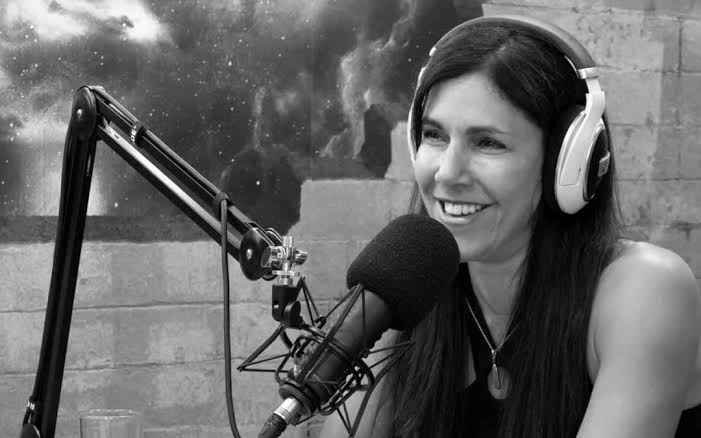
In this episode, I sit down with naturopathic doctor Dr. Vanessa Ingraham to dive deep into the fascinating world of circadian rhythm biology, the science of how our internal clocks govern everything from hormones to immunity, metabolism, and brain health.
We explore:
Why circadian rhythms are central to health and longevity
How light exposure in the morning and evening impacts hormones and sleep
The links between disrupted circadian rhythms and chronic disease
Practical strategies to realign your body clock (sleep hygiene, light management, meal timing, stress reduction)
How circadian biology connects to immunity, gut health, and inflammation
The role of circadian optimization in aging and longevity strategies
Dr. Vanessa brings both scientific depth and practical wisdom, making this conversation valuable for anyone who wants to improve energy, resilience, and long-term health through better alignment with nature’s rhythms.
Learn more about Dr. Vanessa: https://www.drvanessa.life
Dr. Vanessa Ingraham Bio:
Dr. Vanessa Ingraham is a naturopathic physician with over 15 years of experience in integrative oncology and metabolic medicine. After co-founding Pure Health Bahamas, where she supported women through breast cancer with integrative protocols, she moved to New Zealand to formulate products for Nutrient Rescue NZ and later founded Bloom Integrative Health, a multidisciplinary clinic for women navigating hormonal challenges and chronic disease.
Today, Vanessa works online from her home in Piha on Auckland’s wild west coast, guiding clients worldwide. Her approach blends nutrition, biohacking, mitochondrial optimization, circadian biology, and biophysics; exploring how light, water, and electromagnetic forces shape health at the cellular level.
Grounded in her own daily practice of sunrise yoga, time in the bush, and regular ocean swims, she helps people build resilience and overcome chronic disease by aligning cutting-edge science with the timeless laws of nature.
🎯 Personalised Health Optimisation Consulting with Lisa Tamati
Lisa offers solution focused coaching sessions to help you find the right answers to your challenges.
📌 Topics Lisa can help with:
Lisa is a Genetics Practitioner, Health Optimisation Coach, High Performance and Mindset Coach.
She is a qualified Ph360 Epigenetics coach and a clinician with The DNA Company and has done years of research into brain rehabilitation, neurodegenerative diseases and biohacking.
She has extensive knowledge on such therapies as hyperbaric oxygen, intravenous vitamin C, sports performance, functional genomics, Thyroid, Hormones, Cancer and much more. She can assist with all functional medicine testing.
🔬 Testing Options
Comprehensive Thyroid testing
DUTCH Hormone testing
Adrenal Testing
Organic Acid Testing
Microbiome Testing
Cell Blueprint Testing
Epigenetics Testing
DNA testing
Basic Blood Test analysis
Heavy Metals
Nutristat
Omega 3 to 6 status
and more
Lisa and her functional medicine colleagues in the practice can help you navigate the confusing world of health and medicine .
She can also advise on the latest research and where to get help if mainstream medicine hasn't got the answers you are searching for whatever the challenge you are facing from cancer to gut issues, from depression and anxiety, weight loss issues, from head injuries to burn out to hormone optimisation to the latest in longevity science. Book your consultation with Lisa
🤝 Join our Patron program and support the show
Pushing the Limits' has been free to air for over 8 years. Providing leading edge information to anyone who needs it. But we need help on our mission.
Please join our patron community and get exclusive member benefits (more to roll out later this year) and support this educational platform for the price of a coffee or two
You can join by going to Lisa's Patron Community
Or if you just want to support Lisa with a "coffee" go to
https://www.buymeacoffee.com/LisaT to donate $3
🌟 Lisa’s Anti-Aging and Longevity Supplements
Lisa has spent years curating a very specialized range of exclusive longevity, health optimizing supplements from leading scientists, researchers and companies all around the world.
This is an unprecedented collection. The stuff Lisa wanted for her family but couldn't get in NZ that’s what it’s in her range. Lisa is constantly researching and interviewing the top scientists and researchers in the world to get you the best cutting edge supplements to optimise your life.
🎥 Subscribe to our popular Youtube channel
with over 600 videos, millions of views, a number of full length documentaries, and much more. You don't want to miss out on all the great content on our Lisa's youtube channel.
📚 Order Lisa's Books
Lisa has published 5 books: Running Hot, Running to Extremes, Relentless, What your oncologist isn't telling you and her latest "Thriving on the Edge"
Check them all out at
https://shop.lisatamati.com/collections/books
🔴 Red Light Therapy:
Lisa is a huge fan of Red Light Therapy and runs a Hyperbaric and Red Light Therapy clinic. If you are wanting to get the best products try
Flexbeam: A wearable Red Light Device
https://recharge.health/product/flexbeam-aff/?ref=A9svb6YLz79r38
Or Try Vielights’ advanced Photobiomodulation Devices
Vielight brain photobiomodulation devices combine electrical engineering and neuroscience.
To find out more about photobiomodulation, current studies underway and already completed and for the devices mentioned in this video go to
www.vielight.com and use code “tamati” to get 10% off
🎙️Enjoyed This Podcast?
If you did, subscribe and share it with your friends!
If you enjoyed tuning in, then leave us a review and share this with your family and friends.
Have any questions? You can contact my team through email (support@lisatamati.com) or find me on Facebook, Twitter, Instagram and YouTube.
For more episode updates, visit my website. You may also tune in on Apple Podcasts.
To pushing the limits,
Lisa and team
episode transcrips
FORMATTED TRANSCRIPT: CIRCADIAN BIOLOGY & QUANTUM HEALING WITH DR. VANESSA INGRAM
Opening Quote
"The body is an electrical system. And unless we optimize our environment to allow our hormone pathways to work better, our metabolism to work properly, then we're really missing the boat."
Introduction
[Music]
Well, hi everyone. Welcome back to Pushing the Limits. Today I have the lovely Dr. Vanessa Ingram. Welcome. Welcome to the show, Vanessa. Fantastic to have you.
Vanessa: Oh, thank you so much, Lisa. I've been such an admirer and fan of yours. So it's so cool to meet you and have this conversation on camera.
Lisa: Stephen, I'm just stoked to find a doctor in New Zealand who's just so aligned with everything that I like to talk about. So we're going to have fun today. Two girls talking about our favorite topic.
Vanessa's Background
The Exotic Place
Lisa: Before we get underway, Dr. Vanessa, can you just give us a little bit of your background and how you got here and where you come from? The exotic place that you come from.
From the Bahamas
Vanessa: Yeah. Well, actually, despite my accent, I'm not American. I'm actually from the Bahamas. So I was born and grew up in Nassau, Bahamas. And was - went away to school in North America. And then came home and was practicing with my father.
Her Father
Who was a - basically started off in kind of conventional medicine, traditional MD. And then actually - it's a kind of a cool full circle how it worked.
The Vaccine Injury
The DPT Shot
When I had my first vaccine, I had a very bad vaccine injury to the - just a standard DPT shot.
Lisa: Yep.
The Pivot
Vanessa: And so my dad, who was practicing a lot of pediatrics, a lot of well-baby visits - this really shook him. Because he was just doing what he was taught, following the party line, and not really questioning anything.
The Sabbatical
And so when that happened, he kind of really pivoted. He took a big sabbatical and kind of went to learn about all different other forms of healing and what health and wellness really is. And then started questioning everything.
30 Years Later
So fast-forward 30 years later - he was probably the first and one of the best-known holistic or integrated doctors in the Bahamas.
Lisa: Wow.
Lucky to Learn
Vanessa: I was so lucky when I came back. Because I actually wanted to be a veterinarian. And that's another side note.
9/11
I was in the States when 9/11 happened, studying to be a general vet. 9/11 happened, all the student visas got pulled. We had to reapply. Couldn't get back into the program.
Human Medicine
So ended up doing human medicine. Ended up being a naturopathic physician.
Working with Dad
So when I came back to the Bahamas, I worked with my dad. And it was just a fantastic few years kind of learning from him.
The Patient
The Funny Accent
And then had a patient in our clinic one day. And he had a funny accent. I was thinking, "Is he from the UK? Is he South African?"
New Zealand
My only concept of New Zealand at that point was Lord of the Rings. Only thing I knew.
Lisa: Okay.
Michael Maze
Vanessa: And so I met this gentleman. And he became a client of mine. And long story short - he was the founder of a company called Cookie Time in New Zealand.
Lisa: Oh!
Vanessa: Michael Maze. And he had a bit of a midlife crisis thinking, "I've promoted sugar and unhealthy food to all these Kiwi kids. I want to do something good."
Nutrient Rescue
And so he started a company called Nutrient Rescue. And I was lucky enough to come on board. He brought me to New Zealand. And I did the initial formulations for Nutrient Rescue.
Fell in Love
And fell in love with someone in New Zealand and the country itself. And basically never left. So that's how I got here.
Lisa: Wonderful. We got to claim you and keep you. That's great.
Cookie Time
Lisa: Wow, that's quite a story. And well done to him for putting back in after selling Cookie Time for a long time - which a lot of Kiwis love, including myself back in the day.
Doing Good
But to actually go and do something really positive in the world - that's fantastic. And pull you in from the Bahamas over to here. Your dad must have been a bit sad leaving - losing...
Vanessa: Yeah, I know. I would have liked to kind of practice with him for another five or 10 years before he ended up retiring and learn more. But no, it all worked out perfectly. So I'm really lucky to be here. Thank you, New Zealand.
Lisa: Yeah, it's beautiful here too.
Areas of Expertise
Lisa: So today we're going to dive all over the place because you have so many areas of expertise. You're very big into hormones, women's health, men's health with hormones, peptides, cancer, autoimmune diseases, stress issues, cardiovascular issues.
Where to Start
We can talk about circadian biology. In fact, I think that's probably a good place to start. Circadian biology and quantum healing.
Not Much Depth
Those are a couple of things that I know that I haven't got a heck of a lot of depth in. I mean, I know circadian rhythms quite well. But the quantum side, definitely not.
The Question
So do you want to start there with a little bit about circadian rhythms and why are they important to us as humans?
The Foundation
Backing Up
Vanessa: I think we need to back up because - as you know, holistic practitioners - we're always looking for the foundational root cause of what's making people ill or what the root cause of health is.
Not the Foundation
And we go to things like nutrition and supplementation and hormone therapy - things like that. And while they're really important, they're not really the foundation.
An Electrical System
The body is an electrical system. And unless we optimize our environment to allow our hormone pathways to work better, our metabolism to work properly, then we're really missing the boat.
Circadian Biology
Breast Cancer
And so coming from first - I guess the circadian biology point of view - I worked a lot with breast cancer in the Bahamas.
The Link
And there's a huge, huge link between light at night with insufficient sun exposure and breast cancer. Just because of how things like light affect hormone production.
Melatonin and Estrogen
If we don't have melatonin at night because we were looking at screens, that'll allow our estrogen to be too high. Without melatonin at night, we don't have good cancer cell surveillance.
The Root Cause
So when we're thinking about treating the root cause, we got to step back. And we got to look at the basically the biophysics that run the system.
Not Just Biochemical
We think of ourselves as biochemical and hormone pathways and metabolism. But at the foundation, it's all about our ability to maintain cell membrane potential, the amount of electrons in the system, the balance between oxidative stress and antioxidants - so redox system - and the charge in the body.
The Charge
And if we don't address the charge, then we can give people the best supplements, the most optimal diets, the best hormones - and they're not getting to get better.
Lisa: Wow.
The Last 10 Years
The Patients
Vanessa: So over 10 years - especially probably about 10 years ago - dealing especially with patients who kind of came in who've seen everybody, who have had the best tests, the best supplements, they're eating the best diets - but they're not getting well.
Stepping Back
It's really led me to step back and look at the environmental picture. And have to go back and learn the biophysics.
Biology Built on Physics
And because biology is built on physics, the understanding of basically how energy flows in the body is absolutely foundational to how the biochemistry will manifest, how gene expression will manifest.
The Focus
And so that's really been my focus in the last decade.
Lisa: Wow.
Evolution
Double Tapping
Lisa: Looking at that. So if we double tap on that and click in a bit closer to that information - like, already in that five minutes, I think people have sort of got the idea. Like, this is very deep.
Cave People
Like, we evolved as humans as cave people back in the day to be out in the sunshine during the day. We slept at night. We had only red light at night from fires. We had no blue light. We had a lot of blue light exposure in the morning to the sun, etc., etc.
The Modern World
And now we live in a world where we're inside a lot of the time. We're on screens with junk light - not the right spectrum of light. And people might think, "Well, that's so unimportant."
A Price to Pay
But we - anything we've evolved a certain way and then we change it in our modern lifestyle. And we want to live in houses and we want to have the niceties of the wonderful things that we have. But that has a price to pay for us.
The 24-Hour Rhythm
Lisa: So going into the whole circadian rhythm - so you're talking about melatonin and cortisol and all of these things that have got a certain daily rhythm.
Can you walk us through that 24-hour rhythm of the - what happens to us in that cycle of a 24-hour period?
3.5 Billion Years
Two Constants
Vanessa: Yeah. But first, I want to go back to what you said because it's so important.
So we've evolved from our single-cell ancestors for 3.5 billion years with basically two constants on this planet. One was gravity. There was always gravity. And there were always 24-hour light and dark cycles.
Complex Organisms
So for us to be the complex organisms we are today, we've had to basically adapt everything in our biology in response to those 24-hour light and dark cycles and obviously gravity.
Space
Now if we think of what happens when we go into space...
Lisa: Yeah.
Vanessa: We can kind of get a sense of...
Lisa: Fallout.
Sunita Williams
Lisa: Yeah. Have you seen the images of Sunita - I think Sunita Williams - when she's come back? She was...
Vanessa: No, I haven't seen those. But yeah.
Massive Aging
Lisa: Yeah. No. So there's massive aging, mitochondrial stress, all - the astronauts are some of the fittest people that they send away. And they come back just completely metabolically broken with incredible amounts of mitochondrial dysfunction.
Gravity's Impact
Vanessa: Yeah. So if we think of how profoundly removing gravity - this one part of the factors we evolved with - has on our biology, and then we think we can just completely alter our light and dark cycles - it kind of just makes us step back and just realize how important it is.
Chronic Disease
The Turn of the Century
So I mean, even if we look at things like the rise of all chronic disease - at the turn of the century when Edison's light bulb kind of became commercial and people started having light at night, working in factories - that's actually the first time we see a spike in everything from cancer, metabolic disease, autoimmunity.
Before Processed Food
And this was before a lot of people associate this with the rise in or the availability of processed food. So we already had all these things rise before we had the food, which was kind of the second hit to the system.
Terrestrial Sunlight
Powers Everything
Vanessa: So when we talk about kind of terrestrial sunlight - the light coming down or the energy coming down from the sun - we have to realize that this energy from the sun powers everything on Earth.
Three Main Components
There's three main components.
UV
First, we have the UV - the UVA and UVB. And obviously, this is the highest energy, shortest wavelength type of energy coming from the sun.
Can Be Dangerous
And that's also why it can be - can be hard on our biology, can be sort of dangerous. That's why we can get a sunburn if we have too much of this high energy coming to our skin and we're not prepared for it.
Benefits
So we have the UV. And obviously there's many benefits to that. Everybody knows about UVB and vitamin D production. But we don't realize just how important UVA is as well in terms of lowering our blood pressure and helping with energy production.
Visible Light Spectrum
Then we have our visible light spectrum. And that's the main part of the spectrum that helps with the circadian biology.
[Takes a sip of water]
Lisa: This is brilliant. Very excited.
Blue to Red
Vanessa: So we have - obviously in the visible spectrum we have from the blue all the way to the red. And as you mentioned, the blue light is the strongest zeitgeber - or the strongest message - to our circadian biology.
Lisa: Yep.
Infrared Spectrum
Vanessa: Then we have - the visible spectrum that allows us to see. And then we also have - after that we have the infrared spectrum.
The Most Important Nutrient
And the infrared spectrum is probably the most important nutrient for our mitochondrial health. And we can talk more about that.
Lisa: Mhm.
The Morning
Before Dawn
Vanessa: But if we go back to the circadian cycle, what happens is first thing in the morning - before dawn, as the sun's rising - at first, because the infrared is very long wavelength, low energy, it's able to penetrate the atmosphere.
Long Distance
So because the sun is lower down, further distance - the first thing we have in the morning is infrared.
Pink Sunrise
So that's why in the morning you'll see the sunrise or the sunset later in the day as looking kind of pink.
Lisa: Yep.
Upregulating Energy
Vanessa: That infrared in the morning - as we kind of go out there - that's starting to upregulate our body's energy systems.
Lizards and Snakes
It's really interesting. We used to think - or there's a thought in the biophysics world - that lizards and snakes - I guess we don't really have that many in New Zealand - but they like to go and lay in the sun in the morning.
Not the Heat
And it was thought that they're cold-blooded, they're using the heat. But actually, it's the infrared in the morning that turns on their mitochondrial function, that kind of gets their energy systems going.
Lisa: Wow.
Getting Energy Going
Vanessa: So first thing in the morning - get some infrared. That's kind of getting our energy system going.
The Sunrise
Then we get the sunrise. And the visible light starts coming in. And that's the trigger to really start the metabolism going. So the TCA cycle - kind of get that cycling the right way, waking everything up, getting our mitochondria going.
Setting the Rhythm
The first light we see in the morning is also most important for kind of setting that circadian rhythm. So going from dark to light - that's turning on everything, especially things like hormone production.
Lisa: Mhm.
Thyroid and Testosterone
The 7am Test
Vanessa: So if you've ever - have you ever got your thyroid or testosterone level...
Lisa: There you go. 7am. They want it taken.
Vanessa: Exactly.
Morning Hormones
And part of that - there are obviously genes, circadian genes - but part of that is also the morning light kind of turns on those morning hormones.
Lisa: Yep.
POMC System
The Peptide System
Vanessa: Then the sun starts to rise. The morning light on our skin and in our eyes also turns on a really cool internal peptide system or a gene called POMC - it's pro-opiomelanocortin.
Alpha-MSH
So this is a gene - on exposure to light, it's transcribed. It's broken down into peptides. One of the peptides is alpha-MSH.
Getting Ready for UV
And that tells our body to start getting ready to make melanin to protect from the UV that's coming later.
Lisa: Oh my gosh. Okay.
The Tan
Vanessa: That peptide is - yeah, people inject that peptide and they get nice tan skin. So when we tan, like - that is the alpha-MSH coming out. And so that protects us from the midday sun.
Lisa: Yeah.
The Warning Signal
Vanessa: It tells our body, "Okay, the sun's coming. We're going to start turning on our ability to make melanin."
Sunglasses Problem
And that's the reason sunglasses are so problematic. Sunglasses in the morning - you're blocking the warning signal that the sun is coming.
The Mismatch
When you're in the sun, you're creating a mismatch between the energy coming on the skin and the signal through that pro-opiomelanocortin system.
Lisa: Wow. So...
Mind Blown
Lisa: My mind just blown right there. Okay.
Vanessa: It gets better. It's so cool. I love this story.
Other Functions
Vanessa: So - versus the morning. And also - oh, we can go so deep into this - but I don't know if you've come across people are also using things like Melanotan for neurodegeneration, for Alzheimer's.
Alpha-MSH Functions
Alpha-MSH plays a role in immune regulation, appetite suppression, and other functions - appetite suppression, body composition, many things like that.
Rising Sun
Morning Continues
Vanessa: So then - where are we at? So then we have the morning. So then as the sun keeps rising, we got the visible light, circadian mechanism turning on. Sun's going a bit higher. Now we have UVA rise.
60-90 Minutes After Sunrise
So this is the time of the morning, usually about 60 to 90 minutes after sunrise.
The App
And actually, a good little tip - there's a really cool app. It's called My Circadian Life. Or Circadian - Circadian app. There's two of them.
GPS Location
And you can actually put in your GPS location and it'll tell you when dawn is, when UVA rises, and when UVB is available for you to make vitamin D. And sunset times. Really helpful.
Lisa: Yeah.
Nature's Antidepressant
UVA in the Morning
Vanessa: So when UVA comes out, UVA - I always talk about this as nature's antidepressant. That early UVA in the morning really helps to turn on our dopamine and our neurotransmitter systems.
For Low Mood
So anyone who's suffering with low mood - yes, sunrise super important. But get out at least an hour after the sun rises. And that'll be great for cognition and for mood.
Lisa: My gosh, this is just the best story.
3.5 Billion Years
Lisa: I mean, it's 3.5 billion years we've been seeing these sunrises. So important.
Lisa: Yeah.
Carry On
Lisa: So carry on. So the - what happens when you get to midday and the afternoon sun and things like that?
Making Melatonin
Forgot Something
Vanessa: I forgot something super important. The morning is also when we make melatonin.
Not Just Sleep
So we like to think of melatonin as a sleep hormone. But it's actually made in the morning. Our pineal melatonin helps us with our day-night cycles. It's made actually in the morning. And it's released when the light goes away.
Sleep Issues
So a lot of people dealing with sleep issues as well - they think, "Okay, no light at night." But equally important is light in the morning. Because you get your neurotransmitters, your melatonin.
Midday
The Strongest
Vanessa: So then where are we at now? Kind of early morning. Sun's getting towards midday. Obviously, this is the strongest. This is when the sun's highest in the sky. The distance from the sun to the earth - the angle - is the shortest.
All Wavelengths
So all of the wavelengths can get through. We get a ton - or we get UVA and UVB. And a lot of the UVB obviously is so important for vitamin D production.
Same Precursor
But we don't realize that vitamin D and cholesterol are all - they're made from the same precursor.
High Cholesterol
So a lot of people dealing with things like high cholesterol - it's often because they're not getting enough sunlight and they're not making up vitamin D.
Different Metabolites
We also need to realize that when we're making real vitamin D versus taking it, we're making 30 to hundreds - the research is still out on this - different metabolites that do different things.
Not Just One Thing
So it's not just, "Oh, vitamin D good for the immune system." It's hundreds of different metabolites potentially that are influencing our immune system, our hormone pathways, and every aspect of our health.
Lisa: Wow. Wow.
Not One-to-One
Lisa: So we can't just replace it with vitamin D3, activated vitamin D3, in a pill form. And it's not one-to-one with when we get sunshine.
Worst Case Scenario
Vanessa: No. I mean, it's worst-case scenario. If someone's really deficient, it is helpful.
The Research
Even if we look at the research on vitamin D - when I first came through my training, probably 12 years ago, it was like, "Holy crap, vitamin D is like the most amazing thing. It helps diabetes, autoimmune, cancer, everything."
Lisa: Yeah.
Not as Amazing
Vanessa: Then what we're seeing clinically is, yeah, it's helpful. But it's not as amazing as all these studies were suggesting.
A Proxy
And when we go back and kind of look at the research, what we realize is it's not so much that - vitamin D is absolutely important for gene expression and, like I mentioned, immune system. But it's a proxy for sun exposure.
Higher Levels
So those with higher vitamin D levels have gotten more sun. And it's the influence of this sun exposure and probably more time outside, better circadian rhythm, that actually confers all those benefits - not just the isolated vitamin D.
Lisa: Wow. Okay.
The Genetic Piece
Poor Genetics
Lisa: And so - and then there's a genetic piece. Like, if you've come - like, I did genetics in my practice. And I've got very poor vitamin D genetics because I come from Māori descent.
Outside All Day
We were at - like, my ancestors were outside all day, pretty much naked. And a lot of sun exposure. So evolutionarily speaking, we probably downregulated a lot of our vitamin D genes because we didn't need them because we're outside all day anyway.
Double Whammy
Now I'm not. And I'm covered up. And I'm inside. And I'm a modern-day human. So is it a double whammy for people with very poor genetics in that regard?
Nutrigenomic Tweaks
Vanessa: Absolutely. I mean, there are some nutrigenomic tweaks there. But getting - the darker your skin is, the more sun you need. That's what it means - being outside too.
Infrared Range
So anytime we're outside, 50% of the sun is in that infrared - or the solar spectrum is in that infrared range.
Super Nutrient
The Most Important
And I mentioned before that that infrared is our super nutrient. Forget CoQ10. Forget NAD. Forget methylene blue. This is like the super nutrient for our mitochondria when we're - and all the red light research has been showing this.
Lisa: Mhm. Mhm.
Full Spectrum
Vanessa: So anytime we're outside, we're getting full-spectrum infrared light. And this is much more evolutionarily beneficial because we've adapted to the whole spectrum versus - I'm not against red light panels - but a lot of the red light therapy, they'll just have LEDs that emit a narrow band at 850 and 650.
600 to 3000
Whereas outside, we're getting from 600 to 3,000 nanometer infrared light.
Like Vitamin D
So it's the difference between - again, like taking vitamin D versus being in the sun. Close, but not as good as the real deal.
Vanessa: Exactly.
Just Being Outside
So just by being outside any time of the day, you're getting that infrared, which is going to upregulate your - or improve your mitochondrial function and thus your metabolism, your immune surveillance, your hormone panels - everything. So so important.
The Sunburn Argument
But But But
Lisa: I'm hearing people in the audience going, "But, but, but, but - I'm going to get sunburned. But even if I get that signal that you mentioned before, I'm still going to get burned. And I'm going to get wrinkly. And I'm going to age quicker and photoaging."
Your Skin
And I look at your skin and I'm like, "Holy crap, you look as healthy as a person could be."
The Argument
So what's the argument there? Like, what - we're told to put on sunscreen, cover every inch of your body with terrible sunscreens that are full of chemicals, by the way. Or even zinc ones that can block certain things in your uptake in your body.
So yeah, give us your take on that argument.
The Athlete Analogy
CrossFit Example
Vanessa: Lisa, you're an athlete, right? Would you - or if you - if you had - if you're training or do you train people as well? Like, are you...
Lisa: I used to. Now I don't. Longevity now. So yeah.
Vanessa: But what would happen if you took someone who's 300 pounds and you put them through like a hardcore CrossFit and totally annihilate them?
Lisa: Not good. Not good.
Vanessa: Exactly.
Don't Blame the Sun
So blaming the sun in this context for things like sunburn is like blaming the gym for working out without having kind of trained before.
Lisa: Right. Yeah.
Training Your Skin
All Year
Vanessa: When we think about the sun, I like to think about training your skin. So first things first - we need sun exposure all year.
The Vacation Problem
What a lot of people do is in the winter, because of their jobs, most of the time they're inside. Then they go on vacation to Fiji. And they spend all this time outside. Finish the crap out of their skin.
Lisa: Exactly.
300 Pounds at CrossFit
Vanessa: So it's like going to CrossFit when you're 300 pounds and you've never worked out before.
Lisa: I love it.
The Warmup
Morning Light
Vanessa: So what we need - we need a warmup. And that warmup is kind of like that morning light. So it's that gentle - all the way up to just the first part of the UVA. That's priming the skin. That's turning on the skin's ability to make melanin.
No Sunglasses
So no sunglasses, early morning light - number one.
Working Up
Then working up to midday sun exposure. So all year - I mean, ideally not starting in the middle of summer - but starting with really small doses.
Early Warning System
Getting Pink
We have something built in. We have an early warning system built in our skin. It's called getting pink when we've had too much sun.
The Sunscreen Problem
The problem with sunscreen is when we use sunscreen, we're preferentially blocking UVB and we're letting too much UVA in. The UVB is really what makes us that pink when we've had too much sun.
Ruining the System
So what happens with sunscreen - when we go outside, we spend too long in the sun. And we're ruining that early warning system. We're kind of shutting that down.
Starting Out
5-10 Minutes
So what I usually recommend for people just starting out - 5-10 minutes. Just really gentle midday sun exposure, always after morning light.
Cool Down and Recovery
Like Working Out
The second part of that is we need a cool down and we need to recover. And just like if you're working out, you're training - you need to sleep and you need to recover properly. You need darkness at night.
Skin Circadian System
So that melatonin that's released at night - the skin has its own circadian system. If you have light at night, if you have too much blue light at the wrong times, your skin isn't going to go through the nighttime repair and regeneration mode.
The Worst Thing
So the worst thing people could do - very worst thing - go on vacation after having an indoor job, get sunburned, and then stay up late drinking and have late dinner.
No Proper Repair
Because without the proper circadian mechanism, you don't get the skin repair that should happen that we've evolved to have after every day of having a little bit of damage from the sun or excessive energy from the sun come in.
Nutrition
Super Important
And then nutrition is super important as well. So a sunburn is essentially inflammation in the skin - often oxidative stress, inflammation.
Sun-Sensitive People
So if people are - I mean, you'll probably - if people are listening, they might - they know people like this who are really sun-sensitive.
Lisa: Yeah.
Fitzpatrick Skin Types
Vanessa: I mean, obviously there's Fitzpatrick skin types and mitochondrial haplotypes. But if we're eating a diet that's really rich in inflammatory foods like seed oils, sugars, things like that - we're just going to have a higher baseline inflammation.
More Damage
So we're not going to make melanin as well. We're going to get more inflamed. And we're going to get more red and more skin damage. So that's a big one.
Train Your Skin
Lisa: So just like - so just like, you know, train our body to become an athlete, to get our skin to be more athletic. Is that - sound cheesy?
Vanessa: Yep. Yeah.
Lisa: No, not at all.
Vanessa: Warm up, go slow. Kind of just to that edge.
Minimal Erythemal Dose
The Research
And there's something called the minimal erythemal dose. If you look at the research - this is the amount of UV light that - even in research where they're trying to prove skin cancer - is safe.
A Little Pink
And this is just to the point where the skin gets a little bit pink. But the next day it's back to normal. Usually that dose of sun - even strong sun for most people - is absolutely - it's not going to cause any damage.
Oxidative Stress
Lisa: Like an oxidative stress - like when you hop in a hyperbaric or a sauna or something. It is an oxidative stress. But it's signaling to the mitochondria and to your genes to turn things on and off. And your mitochondria to do its thing and repair. And so you get stronger.
Adaptation
You get more muscle fibers if you've been training. You adapt. And so it's about the dose, the right time, the building up to it, and not overwhelming your body.
Too Much
Just like you wouldn't - like, I have sometimes clients who come in and they're doing the cold plunges and they're doing the infrared saunas and they're doing the hyperbarics. And then they're going and doing a marathon on top. And they're doing all of the things. And they're doing all the things a little bit too much.
The Sweet Spot
You can - there's a sweet spot for everything. And we can only cope with so much in a 24-hour period.
Ignoring the Signs
And as you know, as an ultramarathon runner who completely ignored all of the signs of what a body should do and shouldn't do in a 24-hour period - you push over that limit and you're going to do damage to yourself.
Positive Things Too
And even if it's a positive thing like exercise or hormesis, it's the same sort of principle really, isn't it? Be sensible, common sense.
Recovery
Vanessa: Paying attention to that recovery. If you're an athlete, you didn't sleep properly - then you wouldn't expect to be at your peak performance the next day.
Darkness at Night
If you don't have that proper darkness at night to allow the skin to kind of do its healing phase overnight with the proper melatonin - then we are going to get accumulated skin damage.
Seasonal and Local Diet
The Story
And then even with nutrition - and I love the story of why we need to eat a seasonal and local diet.
The Role
When we're eating the - as an athlete, nutrition plays such a big role in our skin's ability to tolerate and benefit from sunlight.
Temperate Climates
So - probably not as much in New Zealand - but when we get in more temperate climates, what you'll notice is in New Zealand as well - the fruits, the colorful fruits and veggies, all the berries and things - they come out when the sun is strong.
Plant Sunscreen
All of those pigments, those polyphenols in the plants, are actually the plant creating like little sunscreen molecules.
Lisa: Yeah. Yeah.
Protect Our Skin
Vanessa: When we eat the colorful fruit and veggies, which are available usually when it's sunnier time of year in spring and summer - then those are actually going to protect our skin from the sun.
Lisa: Wow.
Omega-3 Rich Diet
Really Important
And also really, really important is an omega-3 rich diet. So having natural - kaimoana, seafood - and that DHA.
DHA
Because that DHA - well, we could go deep on this too - but DHA not only will help protect us from sunburn, as well as EPA. But DHA does something very cool.
Photoelectric Effect
DHA in our cell membranes - there's something called the photoelectric effect. And this is something that Einstein discovered. And DHA in our cell membranes helps us to take the energy from the sun - the photons - and make energy in our body.
Use the Energy
So the more healthy DHA we have in our cells, the better we're able to use the energy from the sun versus kind of allow it to cause damage locally in the body.
Lisa: Wow.
Eat the Fish
Lisa: So your fish oils and you're eating your fish.
Vanessa: Absolutely. Better fish oils. Eat the real fish. We have such mussels.
Lisa: Oh, it's so cheap. And they're so good.
Vanessa: And plasmalogens and mussels and things like that.
Lisa: Yeah.
Mind Blown
Lisa: Oh, wow. Oh, wow. Yeah.
You've just blown my mind in a whole lot of things. I'm just like...
Gravity
Dr. David Furman
Lisa: And just going back briefly to the gravity thing. I interviewed Dr. David Furman who works with a lot of astronauts. And they study gravity.
Gravity Machines
And they actually have little - because gravity is just so essential to how we age. Like, the astronauts actually age like 36 years for every year - I think it was 36 for every year in space.
Lisa: That's how much they're aging.
Can Be Reversed
And a lot of that can be reversed when they come back. But things like cardiac remodeling - that takes quite a long time. Can take a decade.
Helping Them
And so these astronauts - they're working really hard to try to help them live better health and longer lives.
Mini Organs
And what can they do? So they're studying - they have little miniature organs. Like little tiny brains and little tiny - like, I don't know how they do that. But anyway, they do.
Zero Gravity
And then they suspend them in these zero-gravity machines. And then they can watch them age within a 24-hour period. It's that fast.
Evolutionary Creatures
So we really are evolutionary creatures. We are a part of Mother Earth and the sun and the - like, it's not just woo-woo stuff. This is real, deep science.
Night Shift Workers
The Problems
And the circadian rhythm stuff - when we look at people who are working night shifts, we know they get diabetes. We know they have a higher rate of cancer. We know they are overweight often. We know that they're not well people.
We Need Them
And we need them in our society. We need our doctors, our nurses, our firefighters, our police that are working in the night.
What Can They Do?
How can people that don't have an optimal circadian rhythm pattern just because of the job they do - what can they do to protect themselves or help?
Red Light Therapy
Is this where things like red light therapy or - what can they do to sort of support their systems? Because we need them in society. What can we do there?
The ISS Lighting
The Switch
Vanessa: I mean, I think - kind of relating back to the astronauts - one of the other factors in the International Space Station was - I think it was in the early 2000s - they anyway switched the lighting to be more energy efficient, which are the LEDs.
Missing Infrared
And even though they have circadian lighting in the space station - so it changes color spectrum - they're missing the infrared light.
Old Light Bulbs
So our older light bulbs, our incandescent bulbs, our fire light, our candles - they all contain this infrared light, which is present from the sun.
Government Level
And so I think from a government level, a higher level, one of the best things we can do is create workplaces that have full lighting that contains infrared.
Lisa: Again, that...
Mitochondrial Fuel
Lisa: That is so good. That is so good.
Vanessa: Infrared is our mitochondrial fuel. It basically increases our energy production. It helps us maintain our exclusion zone water around the cells, which provide another layer of energy.
Night Shifts
So simply by - even if people are working night shifts - because they're getting no sun, they're getting no infrared. So at the very least, having lighting in hospitals and - people are exploited - that have that infrared component.
BS
Which is such BS because it's been removed. And those light bulbs are being phased out in the US because they're not energy efficient. But they're also not energy efficient for us. And they're killing us.
LED Lights
Like, these LED lights that we all have now in our houses and stuff are all just the worst possible part of the spectrum that we could have.
Screens
And then we're on screens, we're on computers. And we can download certain softwares and things that can help a tiny bit and things like that.
Hospitals
The Worst Environment
Lisa: But one of the worst - like, when I - unfortunately, I'll spend a lot of time in hospitals with my parents. And it's like - I don't know how anybody gets healthy in a hospital environment. Like, no sunshine.
The COVID Study
Like, they did a study on COVID back in the COVID days where they took COVID patients outside and got them 15 minutes worth of sun exposure. And they recovered a hell of a lot better and faster than the ones who didn't.
Lisa: Right?
Simple
Lisa: Something as simple as that. We're not set up for that. We don't do that. We don't take our patients out.
What I Did
I mean, when I've been in hospital with mom - unless she was really in ICU and I didn't have a choice or whatever - I would take her out if I could possibly get her in a wheelchair. And I'd get her outside. And expose as much of her skin as I possibly could for 20 minutes, half an hour, whatever she could manage before I take her back in.
No Hospital Food
I never let her eat any of the hospital food. Not a single bite. Like, you cannot get well on that crap. There's no way our patients are going to be getting well on it.
Money
It's all about the money-saving. And then everything is a blue light and a beeping noise.
PTSD from Beeping
You've got all these machines that beep. I ended up with - like, I'm like post-traumatic stress from beeping. Because they're all like emergency signal beeping. Which we need obviously when someone's...
All the Time
But they're just going all the time, all day, all through when they're not necessarily telling you somebody's heart has stopped or something or that their blood pressure's dropped or whatever.
Flashing Lights
They're just beeping, beeping, beeping all day. And then they're flashing these lights. And then they've got these overhead lights.
How?
It's like, how does anybody survive that environment?
Vanessa: I know. Yeah.
Get Out
Lisa: Like, I think you've done the right thing. I think anyone in the hospital - obviously lifesaving care who need all the stuff - but get out as soon as possible. Because it really is an unhealthy place, like you said.
Unhealthy for Workers
And unhealthy for the doctors and the nurses and the people working there as well. When we could do things like at least change the lighting. At least have places where - like, there's no air in the hospital.
Hermetically Sealed
Everything is hermetically sealed. And you cannot get fresh air. You cannot get sunshine. To even open the window and breathe the fresh air - like, basic things. And it's all "for your safety."
For Your Safety
Anyway, whenever I hear those words - "it's for your safety" - I'm like, "Look, double-click on that."
The Research
Vanessa: I mean, there - even quite a few studies showing that patients in hospital rooms that have more light - that have bigger windows - they do better versus ones that...
Lisa: And...
Views of Nature
Vanessa: And ones that have views of nature do better.
Little Things
Such little things. And if we really were concerned with health, it seems kind of strange we're not doing - we're not concerned with - pharmaceutical companies and stuff. But...
A Whole Series
Lisa: This has been really - like, Vanessa - like, obviously I want to do a whole series with you. Because like, this was just - we're just touching the top of the iceberg of your deep knowledge.
Deep Knowledge
Like, you really have a deep knowledge. And we haven't even got to the end of the day on the circadian. Let alone - we haven't got to evening yet.
Vanessa: We haven't even got to evening.
More Sessions
Lisa: So let's do that. Let's do the circadian. And then we'll have more sessions on other things. You're going to be busy.
Finishing the Day
Lisa: Yeah. Tell us a little bit about - like, what happens then as the day progresses and how do we wind up that 24 hours?
Midday to Sunset
UV Goes Away
Vanessa: Yeah. So we've had our dose of strong UV light during midday. That starts to go away. The visible light remains - obviously in the afternoon there's no UV, but we can still see perfectly well.
Sun Drops Lower
Then the sun starts to drop even lower. Then we have sunset.
Infrared at Sunset
Again, this is a time where it's rich in - there's actually a bit of blue light. So there's actually been some newer research. And this is something I've had to kind of retell my story or re-kind of think the way I've explained this.
Blue at Twilight
But as the sun drops, there is actually a - right at the end of twilight, there is an amount of blue light with infrared. As the light is very low intensity, but with the blue...
Yellow and Blue
And that's sometimes - if you've looked at a sunset, it's sometimes really yellow. But it's quite blue at the top.
Lisa: Mhm.
Darkness Coming
Vanessa: And that's the signal that now - darkness is coming. And so right at the end of the day - we've been outside or we've kind of seen the whole changing light cycle, which is just information telling our body what to do and when.
Melatonin Release
Then as the light goes away, then we get our melatonin release.
Hold On
So well, hold on - one more thing.
Intracellular Melatonin
Two Types
So during the day, on exposure to near-infrared light, we actually make another type of melatonin. There's two types of melatonin in the body.
Pineal Melatonin
One is the pineal. That's the type that supports or guides our chronobiology, our circadian biology.
Mitochondrial Melatonin
But our mitochondria also make melatonin. We have something called intracellular melatonin. We make that all day long whenever there's infrared light around.
Most Potent Antioxidant
It's the most potent antioxidant that we know of. And that's because anytime we're outside, it's kind of stressful. It's hot and it can be sunny.
Quenching Stress
And so we're making intracellular melatonin because our metabolism is higher to quench that oxidative stress. So we have that melatonin pool all day long.
The Big Release
Right at the end of the day, we get that big release into the bloodstream of the pineal melatonin. And that's the signal to move - not into sleep - but into that regeneration, repair mode.
Repair Mode
What It Does
So it drops our body temperature, lowers our heart rate, upregulates our immune system - especially against viruses and early cancer cells.
Sleeping
And so as we're sleeping, our body's going into that kind of repair mode.
Dinner Timing
Really Important
This is also why it's really important not to have dinner too close to bed. When melatonin is the highest, our insulin control is the worst.
Different Response
So if you have the same meal at 8:00 in the evening versus the morning, you're going to have a completely different blood sugar response.
Lisa: Wow.
Blue Light at Night
The Disruption
Vanessa: So then when we're in that repair kind of melatonin release nighttime mode - if we get blue light from screens, or then we watch Netflix at 8-9:00 - this not only will disrupt our circadian biology, but it'll spike our cortisol.
Cortisol Spike
And when we spike our cortisol - as you know - it messes up our hormone axis. We put on weight.
Lisa: Exactly.
Light at Night
Worst Enemy
Vanessa: So everyone thinks about adrenal fatigue and issues all about like stress. But the biggest stress to our biology - or one of the biggest - is light at night.
Want to Be Healthy?
So if you want to lose weight, if you want a healthy immune system, if you want to have good hormones, a good libido - light at night is your worst enemy.
Lisa: Yeah.
Red Spectrum
Lisa: And unless it's the red spectrum lights like a fire or a candle - that's okay because that's what we evolved with.
Intensity Matters
My Story
Vanessa: Absolutely. We got to watch intensity though. And I'll tell you my story.
So I was right into the red lights. We built our house five years ago. Got all the red - beautiful red lights everywhere. Like, it looks like a glowing brothel if you look at it shine red.
Lisa: But...
Color vs. Intensity
Vanessa: But it was actually - the color temperature, the wavelength of light, is less important. But the intensity also matters.
Bright Red Panel
If you're using a bright - one of those big red panels at 9:00 - or like us, you had the shining all the red lights - that will still to some degree interfere with that optimal circadian biology.
Lisa: Makes sense. Makes sense.
Better but Not Perfect
Vanessa: Yeah. The red lights much better than obviously white or LEDs. But you do want to keep the intensity low as well.
Candles Now
So we moved to candles now. And I can't even stay up past 8:30. It's just like...
Lisa: Wow.
Vanessa: Isn't that amazing?
Fire Safety
Lisa: Isn't that amazing? Just be careful. My husband's a firefighter and won't let me have candles. He's scared I'm gonna burn the house down. So do be careful there.
Vanessa: Oh, especially with kids.
Lisa: I tell everyone candles and I'm like, "Oh yeah." But three-year-old - oh, maybe not.
Vanessa: Yeah. Yeah. Yeah. Exactly. Yeah.
Lisa: Just caution on that one. Because...
Lisa: Yeah. He's been to too many house fires from candles. So I'm not allowed them.
Summary
Dim the Lights
Lisa: But yeah, that's the point. So dim the lights. Don't have them too much. Don't do your red light panel if you've got one - because I do red light therapy - too late in the day.
Earlier in the Day
More if you can, earlier on in the day if you're going to do that.
When to Use Panels
And the red light panels are great just - like in sports, use them for sore muscles. If you get sunburned or if you can't get morning light and you're say a fair-skinned or red-head - prime your skin for 10 minutes before you go to the beach with the red light.
Lisa: Wow.
After the Beach
Vanessa: Come back from the beach, do another 10 to 20 minutes. And that'll help to just repair the skin and prevent...
Lisa: That's great advice. That's great advice.
Mom's Situation
Temperature Regulation
Lisa: And a lot of - like, with someone like my mom - we can't leave her outside for too long. She has no temperature regulation in her brain. Like, it's damaged - the temperature regulation - from the aneurysm and stroke.
Be Careful
So I've got to be very careful with heat. Because if the heat goes too much, she'll just switch off. Her brain will just go down.
5 Minutes
So I do use the red light therapy for her in the morning when I can to get a little bit of exposure. Sometimes only five minutes on a part of the body.
Outside Time
And then I try to get as much outside time. But keeping a very close eye on the sun. Like, she will go down really quickly. So there's nuance to this conversation is the thing.
In the Shade
Anyone Sensitive
Vanessa: Yep. That's - sitting her or anyone who's sensitive or just anyone - the more you can be outside in the shade.
Lisa: Yeah.
Don't Need Direct Sun
Vanessa: Our bodies, mitochondria - we love infrared light. Anytime we're outside - even if I just open this window a little bit - light is nonlinear. Infrared is coming in.
Lisa: Yeah.
Benefits
Vanessa: You don't have to be in direct sun to get the benefits of infrared light.
Plants
Unlike us, plants - they don't like near-infrared light. They reflect it. So if we're sitting on the grass or in a tree, we're basically getting the infrared light - infrared. Beautiful. And everything just like soaking us.
Co-Evolution
So it's a cool co-evolution between - just like the oxygen-carbon dioxide story - it's the light story with plants is quite cool too.
Lisa: Isn't that amazing?
Forest Bathing
Lisa: So when - that's why like when I go in the forest, I feel better. Like, I feel - I love to forest bathe or just even - yesterday I took my mom down to the river and we just sat with the ducks and watched the ducks with trees around us.
Body Relaxed
And it was just like, "Oh, my body just relaxed" for that few minutes. And just trying to get little bits of that in your day instead of just being stuck inside in your office, which is really, really hard in our modern-day world.
For Employers
Think About This
As bosses that people that run offices or that run companies - have a think about this. How can you help your employees get that exposure every day?
Ideas
Is there a way to make a courtyard outside? Is there a way for you to incorporate the right lighting for those people? Get the - just thinking these things through would be really important, I think, for society as a whole. Because this is absolutely crucial.
Recap
What We Covered
Lisa: So we've covered, Vanessa - we've covered the circadian rhythm only. Was there any part we didn't get to? What happens in the early hours of the morning?
Hormone Regulation
Tell us a little bit about when do the hormones - like when do male hormones like testosterone and things come out?
Early Morning
Melatonin Decline
Vanessa: Yeah. So generally - so we have our melatonin spike kind of early evening. That begins to decline. And then cortisol - because we do have circadian genes.
Even Without Light
So even in the absence of light, we have about a 24-hour - a little bit longer than that - kind of cycling of functions in the body.
Cortisol Rises
So in the early mornings - and this is when people's circadian rhythm is off, they'll have this happen too soon - our cortisol will begin to rise.
Light Anchors
So actually, the light anchors the cortisol in the morning. Because blue light is important - blue light influences cortisol.
Lisa: Yeah.
Want It High
Vanessa: Cortisol will begin to rise kind of early morning. And then you get up, you get light outside. And that's - cortisol is not bad. We want it high in the morning. We want it low at night.
Lisa: We do. In the morning.
By Itself
Vanessa: Yeah. And so that happens by itself. So that starts to go up. Then we have our thyroid hormone again, our testosterone. And then we kind of go through the whole cycle again. Neurotransmitters next, and kind of back through the melatonin on the other side.
Teenagers and Mental Health
The Question
Lisa: So if you've got people who are like teenagers with depression and all sorts of mental health disorders and things like that - do you think a lot of it could be helped with the right circadian rhythms and the right eating times of the day and the right food?
Absolutely
Vanessa: Absolutely. I think light is the biggest driver of a lot of the mental health and also some of the hormonal issues in children especially.
Blue Light and Dopamine
And we also know that - so blue light, especially 450 to 420 to 450 nanometer wavelength - it's predominant from our screens. It influences dopamine.
Using Up Dopamine
So the more we're looking at blue-lit screens, the more we're kind of using up our dopamine. That's why they're so addictive. It's not just the Facebook algorithm. It's the actual light coming off the screen that makes it - you know, when you see the baby and they can't like look away from this screen - like that.
The Kids
So a lot of these kids - they have such exposure. They have no natural light. They're missing their intracellular and their pineal melatonin. And then they're just getting bombarded with this steady state all day long - blue light. And that's zapping their dopamine, which is affecting their impulse regulation, their mood, their ability to focus.
Schools
Then they go to schools. And the schools are all shifting to LEDs, which are that blue-rich spectrum but also full of flicker. So they have blue lights flickering. It's just stimulating their brains.
The Epidemic
We have this epidemic of ADHD and learning disorders. And we blame it on maybe the food or genetics. But it's quite clearly hugely related to the environment the kids are in.
Lisa: Wow.
Hormones
Early Puberty
Vanessa: And then the hormone story too. So we know that girls that have more blue light or more light exposure in the evenings, live in cities - they have earlier puberty. Because without melatonin rising, estrogen goes up.
Boys
And then if cortisol is high in the night, testosterone goes down. So we have this generation of kids - girls and boys - with very skewed hormonal profiles.
Lisa: Yeah. And...
In My Practice
Lisa: And I see it daily. Like, people in my practice - so much hormonal dysregulation. It's off the charts.
Estrogen Dominance
Estrogen dominance seems to be a very common theme. And part of it's genetic. But a lot of it's maybe the circadian rhythms, maybe the food exposure, the stress exposures as well.
Not Enough Testosterone
And not enough testosterone. Our men are just - like, the levels of testosterone across our men in general has dropped worldwide.
Lab Values
Like, when you look at the lab values of what was considered normal testosterone 20 years ago to what the lab values are now considered normal - because they take the last I don't know, 2,000 people coming through or whatever they use as their example.
Rather Than Healthy
Rather than what's actually healthy. And now it's considered normal testosterone. Whereas if you'd gone to a doctor 20 years ago, you would have gone, "Oh my god, you've got no testosterone. You need testosterone support or whatever."
Dropping
They're just dropping. And of course, then the fertility rates are dropping and blah blah blah.
Vanessa: That's horrific. It's horrific.
Prove It to Yourself
Morning Erections
Vanessa: But if you want to prove this to yourself - I get my male patients to do this. It's easier for men because they have this built-in response.
Lisa: Yeah.
A Good Gauge
Vanessa: So it's not exactly perfect, but a good gauge of your general testosterone levels is how often you get spontaneous morning erections.
Used To
And obviously, used to have those more - probably younger, less now. If I always challenge men - "Block, get the circadian timing right. And just write down in your notebook or have your wife kind of check every morning and see how often that happens."
Within Two Weeks
And often within two weeks of getting the light right, they'll actually notice, "Oh, this is happening more." So it's a really good kind of proxy for testosterone that's very obvious.
Lisa: Yeah. Yeah.
Important
Lisa: Well, and important. Crucially important.
Continuous Glucose Monitor
The Test
Vanessa: And the other thing I have people do is wear a continuous glucose monitor. We didn't kind of get into this. But light at night - through cortisol, but also through insulin - will stimulate blood sugar response.
Not Even Eating
So not even eating a snack - if you're looking at Facebook at 9:00 p.m., your blood sugar is up.
Outside or Red Light
If you go outside or use red light, you'll see your blood sugar comes down. And that's because our mitochondria - they're not able to use the fuel. With the blue light, they're under stress. And then with the red light, they can use that fuel for energy production.
See It Fast
So that's another cool test. People will see that within a few days.
Wrapping Up
Absolutely Fascinating
Lisa: This is absolutely fascinating, Vanessa. We'll have to wrap up for here for today. But your depth of knowledge is obviously just off the charts. And we have so many other...
More Sessions
I want to have a number of sessions with you if you've got time. Because we didn't even touch the surface. But that was a super important one, I think, to start with.
Important People
Because we know - like, people like Jack Kruse that have been very big in this space. Lovely, amazing person to follow. Other people - is there anyone else that you would mention as being a good person to follow if you want to learn - go deeper dive into this sort of space?
Jack Kruse
2014
Vanessa: Well, Jack is - I came across Jack Kruse in 2014. And being from the Bahamas, I was always a sun worshipper.
Teased as a Kid
I was teased as a kid being - in the population, one of the only white kids - being teased as being albino. So I would go and get as much sun as possible. And then people would tell me, "Oh, it's so unhealthy."
Finding Jack
So when I found Jack Kruse in around 2014, I was like, "Oh my god, yes. Yes. I wasn't wrong."
Lisa: No.
Hugely Influenced
Vanessa: So I'm hugely influenced by his thinking. And you can go - there's so much more about light. About our internal light, our biophotons. And I think that's a really, really - or ultra-weak photonic emissions.
We Emit UV Light
We actually emit UV light from our cells, which would be cool to talk about. But Jack Kruse definitely is probably one of the - if you want to go deep into this and really understand the quantum biology.
Nefarious Reasons
And kind of understand also how there might have been some nefarious reasons behind why we've chosen this spectrum of light over this one. Why we're using energy-efficient LED bulbs. That's a really interesting one.
Other Resources
Lighter Take
Vanessa: Yeah. They're kind of a lighter kind of take on the topic.
Carrie Bennett
Carrie Bennett is quite good. She's an American teacher and has a podcast.
Sarah Pugh
Sarah Pugh is from the UK. And she also has kind of a quantum health podcast - also very easy to follow and understand.
Lisa: So yeah, great.
Vanessa: Yeah. Those are really good resources.
Reaching Out
Where to Find Vanessa
Lisa: Now, Dr. Vanessa - you also work with people. And you're here in New Zealand, which is amazing. Because usually the people I'm interviewing are in America.
Areas of Work
So tell us: how can people reach out to you, work with you? Because you're obviously at the forefront. And you work across that whole spectrum of disorders that we mentioned at the beginning - from cancers to hormones.
Future Topics
And we need to do a deep dive into the cancer story because both of us are deep into that. And the hormone story to go a bit further. But where can people reach out to you and work with you if they wanted to?
Website and Social
Vanessa: Yeah. Probably the easiest is just my website. It's www.drvanessa.life - V-A-N-E-S-S-A dot life. L-I-F-E. Couldn't afford the .com. Sorry.
Lisa: Life is far more appropriate.
Vanessa: And my Facebook page is Dr. Vanessa Ingram. And my LinkedIn as well. I'm pretty active on LinkedIn.
Lisa: Excellent. Excellent.
Final Thanks
Lisa: Well, Vanessa, thank you so much for your time, your wisdom, your expertise, your passion for going deep into the science and bringing it, relating it down to a level where everybody can understand how powerful this is.
Realizing I Don't Know Much
I thought I knew a lot about circadian rhythms. I now realize I don't know anything. I've got to go and do more deep diving.
Lisa: So thank you so much for your wisdom today. It's been absolutely amazing.
Final Message
The Most Important
Vanessa: No problem. I guess also just what I want to say is if you don't listen to anything else, just realize that - there's tons of science to support this - but at the end of the day, health comes down to how much you can just go outside. Or go outside.
Lisa: Yeah.
Pay Attention
Vanessa: And how you feel doing it. I mean, pay attention. Like yesterday, sitting with the ducks on the grass by the river - I felt good.
Living by the Sea
I sit down by the - there's a reason I live next to the sea. Like, I want to be able to see the sea. I want to see the sunset over the horizon. I want all of that sort of beautiful stuff that we are blessed with here in New Zealand.
10 Minutes Away
Most of us can get to a beautiful spot somewhere within 10 minutes of where we live. So take advantage of that. Get your shoes off. Go to the beach.
Grounding
We didn't talk about grounding. And grounding for sun too - to not get sunburned. Being connected to the earth when you're outside.
Tolerance of UV
So when you're at the beach in the strong sun, being grounded will actually help your skin's tolerance of UV.
Lisa: Okay.
One More Thing
Lisa: You have to - before we wrap it up - you have to tell me why is that? How does that work?
Free Electrons
Vanessa: Because so when we're connected to the earth, we have a source of free electrons. And we're supporting that balance between oxidation and antioxidants.
Redox Potential
So the redox potential - we're helping the cell membranes. And we're also reinforcing that circadian rhythm through being connected to the Schumann resonance and the geomagnetic field of the earth.
Lisa: So it's like...
Everything Synchronized
Vanessa: Totally. Opposite from wearing sunglasses and sunscreen, being covered up but getting sun on your face.
Connected to Earth
By being connected to the earth, now we're kind of - everything is synchronized. We're like, "Oh, the brain - or our evolutionary biology is like, 'Oh yeah, okay. It's this time of day. I can feel it through the earth from the magnetic field. I can feel the sun through the eyes.'"
Lisa: Well, it just makes a whole lot of sense if you think about things...
Without the Science
Lisa: Even without the whole science behind it - like, you you see it, you sense it, you feel it - that our society is completely upside down in a lot of ways. And a lot of it can be undone.
My Dad
And when I look at - like, I look at my dad who's unfortunately passed away five years ago. But he was a man of the earth. Like, he was outside barefoot all day in the garden - digging up something, pulling, planting something, growing something, hunting, shooting, fishing - all of that sort of stuff.
His Downfall
But he was - unfortunately, he also smoked and ate a lot of fish and chips. That was dad's downfall, unfortunately.
Fit and Strong
But he was fit and strong and powerful right up until then. He had an aneurysm. And we have a very poor genetics in regards to that.
The Circadian Rhythm
But he lived in the circadian rhythm. He very - that allowed him to eat all the fish and chips and smoke.
Vanessa: Yeah.
Got Away With It
Lisa: He got away with it for quite a long time. Because that - that wasn't the way he should have been. But that was dad.
What Kept Him Well
And that circadian rhythm that he lived - that was, I think, what kept him well for as long as it did, despite his smoking like a train.
Other Peoples
So yeah. And when you look at peoples all around the planet that are still living in that sort of way - they just radiate a different - absolutely frequency, really - than the rest of us stressed-out, crazy, crazy people in society.
Wonderful
Lisa: Well, Dr. Vanessa, I think you're absolutely wonderful. I'm so glad to have made your acquaintance. And I'm so glad to have found you.
Future Help
And I will be definitely calling on you for help with some of my clients as well. So people, please do reach out to Vanessa if you want to find out more.
Lisa: So thank you so much. I really appreciate it.

Listen Via...




What listeners are saying
My favourite running podcast by miles⭐ ⭐ ⭐ ⭐ ⭐
This is the best podcast for long runs. Lisa is just so relatable, honest, funny and inspires me to push my own limits. Awesome guests (I particularly enjoyed the podcast with Kim Morrison) and a wide variety of topics covered. Thanks for keeping me running, Lisa!
Jinni S via Apple Podcasts · Australia · 07/02/19
-----------------------------------------------------------------------------------------------------------------------------------------------------------------------------
My favourite podcast ⭐ ⭐ ⭐ ⭐ ⭐
Helps me get through my boring desk job. Absolutely love this podcast. Great topics and advice that has helped me to better myself and my approach to running.
alekslikestorun
-----------------------------------------------------------------------------------------------------------------------------------------------------------------------------
Two thumbs up ⭐ ⭐ ⭐ ⭐ ⭐
Always great guests, great insights and learnings that can be applied immediately for every level of experience.
JonnyHagger
-----------------------------------------------------------------------------------------------------------------------------------------------------------------------------
Motivational and Inspirational ⭐ ⭐ ⭐ ⭐ ⭐
I am getting my mojo back with regards to my health and running after treatment for breast cancer, I connected with Lisa as I was looking for positive influences from people who are long distance runners and understand our mindset. Lisa’s podcasts have been a key factor in getting me out of a negative space where I allowed others limiting beliefs to stop me from following my heart and what I believe is right for me. After 18 months of being in cancer recovery mode I wanted to get out of the cancer mindset and back to achieving goals that had been put aside. Listening to Pushing The Limits has put me onto other great podcasts, and in the process I have learnt so much and am on a pathway to a much better place with my mindset and health. Thanks so much Lisa for doing what you do and always being you.
L.Faire