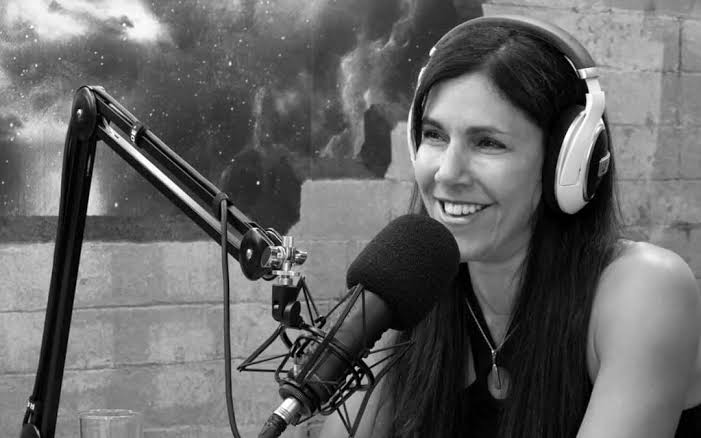
In this episode, I sit down with Reed Davis, founder of Functional Diagnostic Nutrition® (FDN), to explore how we can stop chasing symptoms and instead focus on the root causes of chronic health issues.
Reed shares his journey from working in a wellness clinic to creating FDN, a pioneering system that combines functional lab testing with lifestyle protocols to help practitioners and clients uncover hidden stressors, heal dysfunctions, and restore vitality.
We dive into:
The difference between conventional medicine and functional diagnostics
Why lab testing is essential for uncovering hidden stressors
The H.I.D.D.E.N. stressors model (hormones, immunity, digestion, detoxification, energy, nervous system)
How FDN practitioners approach complex health challenges
Reed’s advice for anyone struggling with fatigue, gut issues, hormone imbalances, or unexplained symptoms
The future of health coaching, lab testing, and functional medicine
Whether you’re a health professional looking to expand your toolkit or someone who wants to take charge of your own healing, this conversation will give you a roadmap to better health.
Learn more about Functional Diagnostic Nutrition: https://www.functionaldiagnosticnutrition.com/
Reed Davis Bio:
Reed Davis, Double-Board Certified Holistic Health Practitioner (HHP) and Doctor of Nutritional Therapy (DNT), is a globally recognized expert in functional lab testing and holistic lifestyle medicine. As the visionary founder of Functional Diagnostic Nutrition® (FDN), Reed has pioneered the FDN Certification Course, which has empowered over 5,000 practitioners across 50 countries to take charge of their clients' health. With more than a decade of experience as Health Director at a Southern California wellness center, Reed personally guided over 10,000 clients to optimal wellness, giving him the experience and foundational knowledge needed to teach others to build their own health careers.
🎯 Personalised Health Optimisation Consulting with Lisa Tamati
Lisa offers solution focused coaching sessions to help you find the right answers to your challenges.
📌 Topics Lisa can help with:
Lisa is a Genetics Practitioner, Health Optimisation Coach, High Performance and Mindset Coach.
She is a qualified Ph360 Epigenetics coach and a clinician with The DNA Company and has done years of research into brain rehabilitation, neurodegenerative diseases and biohacking.
She has extensive knowledge on such therapies as hyperbaric oxygen, intravenous vitamin C, sports performance, functional genomics, Thyroid, Hormones, Cancer and much more. She can assist with all functional medicine testing.
🔬 Testing Options
Comprehensive Thyroid testing
DUTCH Hormone testing
Adrenal Testing
Organic Acid Testing
Microbiome Testing
Cell Blueprint Testing
Epigenetics Testing
DNA testing
Basic Blood Test analysis
Heavy Metals
Nutristat
Omega 3 to 6 status
and more
Lisa and her functional medicine colleagues in the practice can help you navigate the confusing world of health and medicine .
She can also advise on the latest research and where to get help if mainstream medicine hasn't got the answers you are searching for whatever the challenge you are facing from cancer to gut issues, from depression and anxiety, weight loss issues, from head injuries to burn out to hormone optimisation to the latest in longevity science. Book your consultation with Lisa
🤝 Join our Patron program and support the show
Pushing the Limits' has been free to air for over 8 years. Providing leading edge information to anyone who needs it. But we need help on our mission.
Please join our patron community and get exclusive member benefits (more to roll out later this year) and support this educational platform for the price of a coffee or two
You can join by going to Lisa's Patron Community
Or if you just want to support Lisa with a "coffee" go to
https://www.buymeacoffee.com/LisaT to donate $3
🌟 Lisa’s Anti-Aging and Longevity Supplements
Lisa has spent years curating a very specialized range of exclusive longevity, health optimizing supplements from leading scientists, researchers and companies all around the world.
This is an unprecedented collection. The stuff Lisa wanted for her family but couldn't get in NZ that’s what it’s in her range. Lisa is constantly researching and interviewing the top scientists and researchers in the world to get you the best cutting edge supplements to optimise your life.
🎥 Subscribe to our popular Youtube channel
with over 600 videos, millions of views, a number of full length documentaries, and much more. You don't want to miss out on all the great content on our Lisa's youtube channel.
📚 Order Lisa's Books
Lisa has published 5 books: Running Hot, Running to Extremes, Relentless, What your oncologist isn't telling you and her latest "Thriving on the Edge"
Check them all out at
https://shop.lisatamati.com/collections/books
🔴 Red Light Therapy:
Lisa is a huge fan of Red Light Therapy and runs a Hyperbaric and Red Light Therapy clinic. If you are wanting to get the best products try
Flexbeam: A wearable Red Light Device
https://recharge.health/product/flexbeam-aff/?ref=A9svb6YLz79r38
Or Try Vielights’ advanced Photobiomodulation Devices
Vielight brain photobiomodulation devices combine electrical engineering and neuroscience.
To find out more about photobiomodulation, current studies underway and already completed and for the devices mentioned in this video go to
www.vielight.com and use code “tamati” to get 10% off
🎙️Enjoyed This Podcast?
If you did, subscribe and share it with your friends!
If you enjoyed tuning in, then leave us a review and share this with your family and friends.
Have any questions? You can contact my team through email (support@lisatamati.com) or find me on Facebook, Twitter, Instagram and YouTube.
For more episode updates, visit my website. You may also tune in on Apple Podcasts.
To pushing the limits,
Lisa and team
Episode Transcript
FORMATTED TRANSCRIPT: FUNCTIONAL DIAGNOSTIC NUTRITION & METABOLIC CHAOS WITH REED DAVIS
Opening Quote
"Nine days. I remember she was off her medication. This completely changed her life in an amazing way. So that spells DRESS. D-R-E-S-S. That's Diet, Rest, Exercise, Stress reduction, Supplementation."
Introduction
[Music]
Everyone, welcome to Pushing the Limits. Fantastic to have you with me. I have the amazing Reed Davis as guest today. Reed, welcome to the show. Fantastic to have you on.
Reed: Well, it's fantastic to be here, Lisa. Thank you for having me.
Lisa: No, it's pretty exciting.
Reed's Background
Impressive Credentials
Lisa: So Reed, you are an incredible holistic health practitioner and certified nutritional therapist. And you run a massive FDN - Functional Diagnostic Nutrition academy. And you're on the advisory board of the American Natural Wellness Coaches board and the American Association of Natural Wellness Coaches, etc., etc.
The Book
You have a book called The GAP. And you're sitting at the moment in Florida, but you're also a Californian. So you've trained just thousands of practitioners. Basically, you've had a career training a whole lot of practitioners.
Tell Us Your Story
So Reed, give us a little bit of your backstory and tell us a little bit about your approach to health and how you see things.
Philosophy
Positive Thinking
Reed: Well, thank you. I see things - being in the world, what you make of it. I'm very much a positive thinker and always been a guy who wants to be on purpose and try to accomplish something in my life.
Saving the Planet
And back in the '90s, I was saving the whole planet - air, birds, water, trees, and bees. And that was pretty rewarding for a while. But with how bad the environment was - and it's actually gotten better - but I started getting more concerned about people than the flora and fauna of the planet.
Turning to People
So I turned my attention towards that, including myself. I was pretty healthy, but I didn't want anything to sneak up on me. And so I changed careers.
The Wellness Center
How It Started
Reed: I was very, very fortunate. Back in around 1999, I was taking my son into a wellness center - kind of a chiropractic wellness center. And I loved how they thought there. Just the thinking was right in alignment with me.
Innate Intelligence
Innate intelligence and - the world's okay if you just don't screw it up. And so really... But so my son, who was a high school athlete back then - he got a lot of awards as an athlete in different sports. He was just tremendous.
New Career
But I got a new career out of it. So going into that wellness center changed my life.
Lisa: Wow.
Running the Place
Reed: In a big, big way. And I talked myself into a job there. And within just a few months, I was running the place. Having my way. And again, trying to do some good in the world, Lisa.
Learning
And I took on all kinds of things - educational - to learn new stuff. And frankly, I had a lot to learn about health and wellness and how the body works.
Nothing to Unlearn
The Advantage
But I had nothing to unlearn. I wasn't trained in orthodox or conventional medicine in any way. Matter of fact, I'd never really been to the doctor except for some sports injuries, motorcycle accidents, what have you.
Lisa: [Laughs]
Reed: My wife says I bashed my head a few too many times. But I came out okay.
Ten Years
A Decade of Learning
And I worked there for 10 years. And 10 years is - that's a decade. That's a lot of opportunity to learn. And I did. I ran thousands of labs. We call them functional labs now. Back then it was just alternative stuff - labs that doctors weren't running. They're not paid for by insurance. And so they were considered off-limits to the medical profession.
Failing People
Who unfortunately was failing a lot of people back then and maybe still is.
Lisa: Right. Mhm.
Something Different
Not Licensed
Reed: And so I just came up with something different. Because I wasn't licensed to practice medicine, I had to be very careful.
The Doctors Laughed
And the doctors at this clinic would laugh at me and say, "Haha, we can diagnose and treat. We'll just name it, give it a name, write a prescription, and we're done." And the money's in the bank and everything's fine.
My Clients
Well, not for me. My clients out of that group were tired of that nonsense. They'd been to six, eight, 10 practitioners and weren't better.
The Ripoff
And so I thought, "Well, that's a ripoff. What can I do? Who - could I be the last guy they need to see?" And I determined that I would be, one way or another.
The Patterns
Thousands of Labs
Reed: And so these labs that I ran - these thousands and thousands of labs, thousands of people over a decade - and I recognized some patterns. I came up with some observations of my own.
Good Mentoring
On top of that, I must say I had some very good mentoring. The early lab directors - some of these old guys that were on the cutting edge - and they had stepped out of the box of conventional medicine long before I came along.
Aggressive
But I did come along. And I was very, very aggressive and assertive. And I did a lot of business. I ran a lot of labs. And I made some observations.
Started Teaching
And finally, after 10 years, I started teaching what I had discovered. And so I've been doing that since 2008. And it's gone quite well.
Thousands of Practitioners
I have thousands of practitioners I've trained. We're in 50 countries.
Lisa: Wow.
Worldwide
Reed: Although most are in the US, Canada, Australia, New Zealand, and Great Britain.
Lisa's Response
Resonates
Lisa: Wow, that's an insane story, Reed. And one that resonates and gives me - is a role model for me, really.
Lisa: Yeah.
No Barriers
Lisa: It is like - you didn't let anything stop you because you didn't have - you didn't have the right school behind you or the right piece of paper that says nothing, in my opinion, very much about your ability.
Clean Slate
And you didn't have to unlearn anything. And that was a real key factor because then you're a clean slate. You're coming to the thing with an open mind.
Medical School Problem
Which is - unfortunately, when we enter medical school and things like that, a lot of the - your independent thinking is squashed out of them - out of the students. And they're - "this way or the highway."
Narrow Band
And so you get this very narrow-band approach. And it's brilliant in some things. They're great at surgery. They're great at broken legs. And they're great at all of that type of stuff and imaging and all of that.
Chronic Disease
But when it comes to chronic disease management - I think we're failing, massively failing.
Functional Testing
And functional nutrition and functional diagnostic testing is really key. And it's still not mainstream.
Similar Story
My Background
Lisa: And I have a similar story to you. I haven't trained hundreds of thousands of coaches yet. So not as big as you. But similar background.
Mom's Aneurysm
Like in my case - mom having an aneurysm and me being a high-performance athlete. And going, "Hang on a minute. I can teach myself anything. And I can find a way. And I will find a way."
Similar Path
And have and do and work like you - similar - with fantastic mentors, fantastic doctors who have stepped outside the paradigm. Who have been my mentors and teachers over the years. And it's an incredible journey to go that way.
Lisa: So it really resonates with me, your story.
The Testing
What Were You Testing?
Lisa: Yeah, Reed. Tell me - what sort of things were you testing? What sort of tests are you using or were you using back then? And what - how's that changed? And what sort of patterns were you seeing?
Still Using Them
Reed: Well, some of the tests that I used back then, I'm still using. They're still cutting edge. They're still giving us the insights that we need to determine...
The Doctors' Joke
And again, the doctors at this clinic used to laugh at me and said, "Haha, I can write a prescription in 10 minutes. You, Reed, you're going to have to figure out what's really wrong with these people and teach them how to fix it."
A Lot More Work
So obviously that's a lot more work. But I was not - I had nothing else to do. So no - I loved my job. Running these labs and making discoveries. And it was a very luxurious position. Not that I made millions of dollars. But in that I was given this opportunity.
Grateful
And I really thank God for the opportunity because I made some discoveries. I recognized some patterns. And had people coming in the office who tried everything.
Susan's Story
Chiropractic Patient
Reed: And I had one lady, for instance - if it's okay, I'll tell a story or two.
Lisa: Yeah.
Neck and Back Pain
Reed: She was coming in for chiropractic for neck and back pain. And I would take her back to the doctor's treatment rooms. We had different treatment rooms. And she would get trigger point therapy on her neck and shoulders.
The Process
We did kind of a myofascial massage kind of thing. And then a heat pack. And then the doctor would come in and do the chiropractic adjusting. And then they're off. And they come back in a few days or next week, whatever.
Looking Down
And she was on her - I don't know - fifth or sixth visit. And I noticed that she was looking very down. And I said, "What's wrong?"
The Weight
And she said, "Well, it's this weight, Reed. I'm 40 pounds overweight because I'm on medication for the hives - for blotches on the skin."
Lisa: Right.
The Medication
Reed: And she said, "No matter what I do, I have these hives. And I have to take this medication." And she complained that she'd been on it for two years and it made her gain 40 pounds.
Lisa: Yep. Yep.
Couldn't Get a Word In
Reed: And I wanted to help her. And I thought I could help her. But I couldn't get a word in edgewise. She just kept going on how this was so upsetting.
The Physician
And she said she had just been to the physician who put her on the medication. And complained to him that, "Hey, I'm really tired of being overweight. This weight is killing me. I'm not a fat person."
Lisa: Yes.
Fat or Hives
Reed: And he said, "Lady, you could be fat or you could have the hives."
Lisa: Oh, man. Brilliant. What an attitude.
Depressing
Reed: Oh... She goes, she says, "Well, I told him that was very depressing. And he said he'd be happy to write me a prescription for antidepressants if I liked."
Lisa: Really?
Reed: Honestly.
Lisa: Yeah.
The Question
Why Do You Get Hives?
Reed: So then when I said to her - finally I got to put my two cents in - and I said, "Well - her name was Susan - Susan, did you ever try to find out why you get the hives?"
Head Snap
"What?" Her head snapped around so hard I thought she's not going to need her chiropractic treatment today because her head went like this on a swivel.
Never Looked
And anyways, she was surprised that no one ever even looked. No one even ever looked for why. It was just, "Here's your medication for the hives." Yeah. Stop.
Didn't Even Work
And it didn't even work all the time.
Running Tests
Sensitivities
Reed: So we ran some tests. We found out that she's got some sensitivities to things in her environment and diet and so on. Hormones. I mean, we test a lot of things. But sometimes you really score big.
Nine Days
And within just nine days - nine days, I remember - she was off her medication.
Sweating Again
And she was also - and you're an athlete, so you understand - she was also taking hot showers and working out to a sweat, to a perspiration, which she hadn't done in two years.
Even on Medication
Because even on the medication, she couldn't sweat. She couldn't take a hot shower because that would cause... She completely changed her life in an amazing way.
Losing Weight
And just a few more visits down the road, she was losing weight.
Lisa: Yep.
13 Pounds
Reed: She lost 13 pounds like this. And she had more to go.
Changed My Life
But it not only changed her life, but it really changed mine. Because I realized the power of investigation.
Lisa: Yes.
Don't Give Up
Reed: And if you just keep looking and don't give up. With her, it landed a little easier than some cases.
Lisa: Yeah, for sure.
Many Stories
Reed: But I have so many stories just like that.
The Answer
Look Upstream
Reed: So the answer to your question is to look upstream for these underlying causes and conditions and try to deal with it at that level.
Not Identifiable
Not every upstream causal factor is identifiable because, believe it or not, some could have disappeared. But the downward spiral metabolically that they create - they create what I now term metabolic chaos.
Lisa: Mhm.
Metabolic Chaos
The Complaints
Reed: Someone who comes in with - they're tired and they're fatigued and they're overweight and they're foggy thinking and they're not sleeping. They have low libido. They can't build muscle. They're just kind of miserable and mystery complaints.
No Diagnosis
And so there's no diagnosis for that. Back in the day, they were calling it fibromyalgia or different names to try to give it a name so they could write a prescription, so they can just make the person shut up and go away.
Lisa: Yeah.
Some Remedies Help
Reed: Get a title, get a diagnosis. Some of these remedies like that do reduce pain and can help lifestyle improvement.
Lisa: Yeah.
Don't Deal with Root
Reed: But they don't deal with the real reason that you're so ill, so sick. So they don't sort out metabolic chaos like I learned to do.
HIDDEN Stressors
What We Test
Reed: So I learned to run hormone testing, immune, digestion, detoxification. And then finally, energy production and nervous system balance. They're also very important.
The Acronym
But this idea of - we call it HIDDEN. H-I-D-D-E-N. And they're generally hidden. And no one's even looking for some of them. And so they remain hidden.
Breaking It Down
H - Hormone
I - Immune
D - Digestion
D - Detoxification
E - Energy production
N - Nervous system balance
All Critical
And all these things are critical. And if you can get some data in those areas there - it's easy to run this lab work. It's not cheap, but it's easy.
Lisa: Yeah.
Worth It
Reed: And when someone's really suffering, it's been going on a long time. I feel bad. I'm sorry you have to spend money on yourself. But you basically have got yourself into this jam. You've lived yourself into most of these problems.
Lisa: Yeah.
Live Yourself Out
Reed: So you can live yourself out. We like to get the data. And then if we have a prescription, it's for an overhaul - new habits and new diet, new exercise, rest and sleep and things. And of course, stress reduction is a huge component, as well as supplementation.
Not Just Supplements
The Focus
Reed: Now I don't like to focus on the supplements. And people always want to know, "What can I take?"
Look at Everything
And we have them - "Take a look at everything. Take a look at the lab data. And then what are you eating every day?"
Very Interesting
It's very interesting and fun. And I'm sure you're doing similar things. But it does get people to - I'll say - push the limits of their habits. Can you really make some of these changes? It can be quite challenging.
Lisa: Yeah. Yeah.
The Hard Part
Investigative Work
Lisa: Very, very challenging. That's the hard part. Like, the stuff that you're doing and that I do as well is investigative. It costs money. It takes time. There's trial and error. Sometimes you try one thing...
Complex Networks
You have to - we're complex networks. So we need to get away from the simplistic, "Give me a pill, doctor. I'm going to be fixed in five minutes." They're usually band-aids.
Sometimes Appropriate
And sometimes those band-aids are appropriate. And at the right time, we need them. If you're in real pain and you need a painkiller for a short period. Or you need things for short periods - there's nothing wrong with that.
Root Causes
But it's about going to find out where the root causes, as best you can. And as you said, you can't always, because sometimes that - could have been Epstein-Barr virus 20 years ago. And that's causing the cancer now. Like, it's pretty hard to sometimes track it right back to the source.
Struck Me
But this metabolic chaos - that was a word that really struck me in your talk there. What do you mean by metabolic chaos? Because that is a real key thing.
Multiple Causal Factors
Years Ago
Reed: When there are multiple causal factors - there's some happened years ago - it could be physical aches and pains from injuries. And again, I have a pretty well-used body.
Shoulders, Knees, Back
So your shoulders, your knees, your back, your neck. And you've done some damage over the years. Well, that adds up. And it's a constant stressor. It constantly is driving cortisol production. It's throwing your catabolic and anabolic hormones out of balance.
Very Basic
So these are very basic things that we take a look at and measure. And it isn't just that.
Mental Emotional
So on top of the physical aches and pains and injuries and what have you, you've got perhaps mental-emotional assaults and different things that happen to you.
Chemical Assaults
But more importantly probably is the chemical assaults on us.
Lisa: Yeah.
Eating Junk
Reed: We've been eating junk, crap - stuff that's not even food. And drinking things that - maybe in moderation are okay. But...
Multiple Factors
So this idea of multiple causal factors - here's the other thing that you hardly hear anywhere: they're having an effect on each other.
Lisa: Yeah.
Can't Measure
Reed: And you can't even measure all the ways that this is streaming downhill. Downstream, you have effects on every organ, cell, tissue, system in the body. And things get thrown out. And again, they'll affect another area. So there's a cascade.
The Cascade
So we call it - I call it now - the metabolic chaos cascade. You could have - at one time we called it the chronic stress cascade.
Don't Go Away
So multiple stressors, multiple offenses, multiple contributors to metabolic chaos - they come in your body. If they're not really soon resolved... Like if you get cut off in traffic, you're driving and someone cuts you off and you swear at them. And your cortisol goes up, your adrenaline goes up. You get on - then by the time you get to work, you forgot about it.
Chemical Stressors
But these things - like the chemical stressors - don't go away.
Lisa: Yeah.
Emotional Stressors
Reed: And some of the emotional stressors - like your boss. You hate your boss. You hate going in. And you're putting up with it. So that causes stress too. That throws the catabolic and anabolic hormones out of balance.
Same Thing
The same as if you've been punched in the face. Same thing. Your body doesn't really recognize one stress from another.
Lisa: Yeah.
All Flows Downhill
Reed: In the context of metabolic chaos because it just all flows downhill. And you end up feeling like crap.
All the Symptoms
You have all these symptoms again. You're tired, you're fatigued, you're overweight. You got bad habits that you just can't seem to break. You got lots of things going on.
Migraines, Skin, Digestion
And even to the point where you have migraines and bad skin and digestive problems like crazy. The diarrhea and constipation and alternating diarrhea and constipation.
Lisa: Yeah, that's a fun one.
Reed: Yeah.
Looking Upstream
Showing Up
Reed: And so you see people showing up with all of this stuff going on. And upstream is metabolic chaos caused by all the various inputs, all the various contributors, stressors - which again have an effect on each other in ways that can't be measured.
Can Measure Some
But we can measure some things. And I look across the constellation - hormones, immune, digestion, detoxification, energy production, nervous system. We can get some data. And we can look at the key areas that need to be repaired, rebuilt, restored, rebalanced, or whatever it might be.
Therapy
And there's therapy for that. And it's all pretty much self-directed.
The Observation
Religiously Coming In
Reed: And I'll just say this. I noticed a long time ago - 25 years ago - that people were coming in our office religiously. They had neck pain, back pain. They had something else going on. And they were coming in three times a week.
That's All
And I started noticing that that's all they were doing for their health.
Lisa: Yeah.
What About Home?
Reed: And I started asking, "What do you do at home for breakfast? What do you do at home? Do you get a good night's sleep? Are you exercising or overexercising?" We had a lot of that those times coming in.
Lisa: Yeah.
Diet, Rest, Exercise
Reed: And so - diet, rest, exercise. And then stress in all its forms. And people that work at this job and this job. And different relationships and different old injuries and different...
Major Component
So I realized that stress was a major component. And then of course there's supplementation, which we think is very important.
The DRESS Acronym
What It Spells
Reed: So that spells DRESS. D-R-E-S-S. And we have a guidebook - the DRESS guidebook. That's:
D - Diet
R - Rest
E - Exercise
S - Stress reduction
S - Supplementation
HIDDEN Tests
So if you find - we test hormone, immune, digestion, detoxification - is HIDDEN. Test all the hidden things. And then we correlate with the person. "Does this explain you?"
Lisa: Yeah.
Explains Exactly
Reed: "It explains exactly why you're in the shape you're in and whatever the thing is going on." And then that's very motivating when it comes to what you can...
Hate "Should"
And I hate the word "should." Don't ever tell me I should be doing something because I'll probably do the opposite. I'm just a bad person.
Lisa: You're contrarian like me.
"What If"
Reed: And so don't say "you should." Say "what if you did this?" Or "you could be doing this."
Lisa: Yeah.
Guided by Labs
Reed: That would be nice. So anyway, so what you - what you should be doing is DRESS. D-R-E-S-S. And when it's guided by the lab work, it's very effective. It tells us - and you can measure again. You've got your benchmarks that can be followed up on.
Feeling Better
And besides just feeling better - you have more energy, you lose a few pounds, you sleep better, you put on some muscle - you just get more lively and have a better quality.
What Really Mattered
Not Just the Office
Reed: So again, I just want to say that it was not coming in the office that was really helping people. It did. We had acupuncture, we had massage, we had chiropractic.
Lisa: Yep. Yeah. Lots of stuff. Wellness. Wellness.
What They Did at Home
Reed: And yet it was what they did at home that really mattered. The habit stacking that I started to be able to sort out and teach.
FDN
And so now the whole thing came together as FDN - Functional Diagnostic Nutrition. And so that's what I do now as FDN - teach practitioners how to do the lab work and what the proper protocols are. And it's very rewarding work.
Simple Acronyms
Love It
Lisa: Oh, absolutely. And like, those acronyms are really great. I'm going to take those away in my head today because like, we're simple, right? We want simple things that we can remember.
Over-Scientifying
And I've been guilty - probably still am guilty - of over-scientifying my clients. Because I love science. And then I throw too much science at them. And they're like, "Huh!" Run the other way.
Powerful
And so having simple like acronyms like that, I think, are very important and very powerful because they give you a stepping stone. So that's fabulous.
Remember Them
HIDDEN and DRESS - those are two things people go, "Right, what were they again?" And go through them in their head. "Okay, these are all the areas where I need to approach and think about this system."
The Free Gift
What's in There?
Lisa: And actually, we've got a free gift that you're giving away. So we'll make sure that's in the show notes at fdntraining.com/pushing. And you'll get a free gift giveaway. What's in there, Reed? Tell them a little bit what's in there.
Different Options
Reed: Well, we have different - you could take your choice. Like, I really like my DRESS for Health Success Guidebook. So D-R-E-S-S - Diet, Rest, Exercise, Stress reduction, Supplementation. DRESS for Health Success Guidebook. That's a pretty good one. You can pick that.
Other Freebies
And other - like freebies. It's just something - frankly, we get your name and email, but you can always unsubscribe.
Lisa: Yeah.
Marketing
Reed: But it's kind of a marketing thing. But it's helpful. And we're just trying to get people to stop thinking about - take control.
What Bothered Me
Environmental Law
Reed: Because the thing that perhaps bothered me the most when I started working at the clinic... Remember, I came out of environmental law, corporate. I was saving the whole planet. I had 60 employees.
Lisa: Wow.
Ready for a Change
Reed: I wasn't burnt out, but I was ready for a change. And the wellness center and the mentality is what got me to shift.
Two Things
But once I started working there, the people coming in were really frustrated. And I thought two things.
Last Guy
One is I could be the last guy that they need to see because I could figure it out. I'm going to figure out what's really wrong with them. I just figured I could.
Why?
But the other thing was: why the hell are they putting their health in someone else's hands?
Lisa: Yeah.
This Lady
Reed: I mean, like, I would go - enjoy - this lady sitting in front of me crying. "I've been to this person and that person. I paid $2,000 here and $3,000 there and $5,000 somewhere else. And they weren't better yet."
Ripoff
And I thought, "Man, that's just a freaking ripoff."
Made Me Mad
And it made me mad. And I thought, "Well, why are you doing - why are you - like, you have to learn. You have to learn how to... You have to learn. You have to learn."
Not Taught
And we're not told. We're not taught that.
For Their Own Health
Reed: So a lot of people have taken my course, Lisa, just for their own health. And that's been worth the price of admission. That's worth the price of admission because it's a very robust program.
The Acronyms
You mentioned when you mentioned the acronyms - HIDDEN, the hidden stressors and dysfunctions. Yes, that's simple.
Learning
But to learn the anatomy, the physiology, and biochemistry involved is robust.
Lisa: Yeah.
Had to Learn
Reed: And I had to learn. All my students have to learn it too. And by so... And you run all the labs on yourself as part of the course.
Like a PhD
So if you're going through my program, it's as good as any PhD program out there.
Lisa: Wow.
PhD in Your Health
Reed: It's like getting a PhD in your own health. Take it and help others if that's what you care to do.
Lisa: Yeah.
International Access
Can You Do This Internationally?
Lisa: And can you do this internationally? So not just for Americans - you can get the testing anywhere?
Good Question
Reed: Yeah, good question. So it's anywhere that you can get the labs. And we do have someone in Australia. They serve New Zealand. And they're - it's getting a hold of the kits.
Easy Kits
So I don't have one on my desk here, but I would just show you - it's easy kits.
Lisa: Yeah.
At Home
Reed: And they're little kits. They have the tubes there. You put your saliva, urine, stool. And there's a blood finger stick test. So you can even do that at home.
Some Challenges
And there's some challenges in some countries. We do pretty well in Australia and New Zealand.
Lisa: Yeah. Yeah.
Lucky
Lisa: We've got fantastic labs and places that do full testing here. We're pretty lucky.
Good Relationships
Reed: Yeah. And we know - we have good relationships with those over the years.
2008
The first course I ever taught in 2008 - there was nobody in Australia doing this. There was barely anyone here. You were considered a quack.
Lisa: And...
Didn't Care
Reed: And I didn't care.
Lisa: Still are with some.
Good Role Models
Reed: I had good role models - these old doctors who were like - just they didn't care. They wanted to do what's right for their patients. And they created their own laboratory work in their own way.
Adopted That
So I adopted that and filled in a lot of the blanks as a layperson. So it's - I make people...
Lisa: Yeah.
Never Outsource
The Message
Lisa: No, that's absolutely brilliant. And this is the message, I think, both of us are totally and 100% agreeing: never outsource your health to anyone - including Reed, including me, including - like, you have to work with good people.
Your Team
You need people on your team who have different areas or specialty maybe. But you need to be the CEO in charge of your own health. And that means you have to learn. Not be lazy.
More Time on Movies
We spend more time watching movies and researching the new car we want to buy and the - I don't know - the fridge that we're going to get. But we don't look at our own health.
Not Taught
Like, we don't start to try to... Because we weren't taught at school that you have to be in charge. We were always told, "You go to the doctor, they're the expert. You're an idiot. You know nothing. Just go to the doctors in the white coats and they'll fix you."
Paradigm Shift
And that paradigm has to shift now. Like, shortly.
Access Now
Reed: And now - this is not 2008. This is not 2000. We do have the internet. We do have podcasts like this. We do have incredible courses that people like you've put together.
Best People
We have access now to the best people on the planet. No matter - pretty much if you've got an iPhone, you've got access to the best university you could possibly ever have.
Lucky
And we're very lucky in that time nowadays with our technological wonder tools that we have. It enables us to have more control over our destinies and not just be - um - sheeple.
Don't Be Sheeple
Lisa: Say, but only if you're willing to push the limits, right?
Reed: Exactly.
Have to Push
Lisa: You have to push the limit. But if you got some illness - this - or your loved ones have got an illness - and you find... Like, that's what threw me into my situation with my mom, obviously. And then other health things that I've had with other family members and myself along the way.
Never Heard Of
Where I've gone, "Well, I've never - I have no idea." And even now - like, you get clients who come in with something you've never heard of. But I know how to research. And I know how to connect dots. And I know how to do labs. And I know how to put pieces together.
Outside Wheelhouse
And then if it's outside of my wheelhouse, I know probably the right person for them to see.
Reed: Yes.
Don't Know Everything
Lisa: And so it's not like you know everything. And especially if you have children. Because only the parents should be able to dictate what happens to their own children.
Not Government
Not government or big white coat or big pharma or big agra or any of these things.
The School Story
ADD Diagnosis
Reed: Listen, I gotta tell you one quick story. So this lady was coming in the office. And she was happy, doing well. And she said, "Hey, Reed, do you work with kids?"
Yes
And I said, "Yeah, I raised four kids. And I coached a football team for 15 years. And I love kids. So yeah, I work with kids. Why?"
Send Him Home
She said, "Well, because the school where her son goes wants to send him home. And they won't let him back unless he gets on drugs."
Ritalin
Like, they wanted him on Ritalin. They had told her - Lisa, they told her - that he's got ADD and you need to put him on Ritalin. Now, that was the drug of choice 20-plus years ago. Now maybe it's something else.
Deficiency?
But she said - I said, "Well, do you think your son has a Ritalin deficiency?"
Lisa: Yeah, thank you for that.
Not Funny
Reed: Listen, she didn't think it was funny. She was...
Lisa: She goes...
No Drugs
Reed: She goes, "No, no. And I don't want to put him on drugs. Can you help him or not?"
Don't Know
And I had to say, "The truth is, I don't know. But we could run some tests. All I know is we run tests to see: is there a real problem? Or what is the problem? And things like that."
Ran the Tests
So we ran our tests. The truth is, I never even met this boy - only through the mom. So this is why I'm saying this: because moms can take charge. And really, they can - their whole family, themselves, whole family - even their husbands, as dumb as some of them are.
Lisa: [Laughs]
Just Teasing
Reed: You can always get certain things. Just teasing.
Class Two Narcotic
Reed: But no... So we ran these labs on the boy. By the way, Ritalin is a class two narcotic. That's the same class as cocaine.
Lisa: Yep.
Teacher and Principal
Reed: And so - and oh, by the way, this was not a doctor at the school. This was a teacher and the principal of the school medically diagnosing and prescribing a class two narcotic. Forget this - a nine-year-old.
Lisa: Oh my...
Reed: Yeah.
Want to Punch Somebody
Lisa: You just want to punch somebody, right?
Don't Know
Reed: So so so I said, "I don't know if I can help." We ran the labs. We changed a lot of things for the young man. All directed by the mom.
You Got to Be the Boss
I said, "You got to be the boss here. You got to take control. Or they're gonna kick him out. And who knows what'll happen?"
Three Weeks Later
The Call
Reed: So I got a call three weeks after we started the program from the principal of the school. He tracked me down. "Hi, Mr. Davis. This is so-and-so. I tracked you down through the mom. And I just want to tell you: this is a different kid."
Different Kid
"He doesn't jump out of his chair. He doesn't speak out abruptly. He is not poking the other kids. He's actually paying attention. And he's doing well in school."
Lisa: Oh, wow.
Getting Chills
Reed: And me, I'm getting chills just thinking about it.
Lisa: Yeah. Oh, boy. Yeah.
Every Kid
Reed: I'm going to get every kid in the school. And then he goes, "What'd you put them on?" As if it was something in a bottle. Like a new magic drug or something.
Started Explaining
And I said - for a minute, I started explaining, "Well, we put him on a better diet, better bedtime, a better exercise routine, a better study routine. We put him on..." And lifestyle.
No, No
And he - he about that. "No, no, no. It's too hard. What's in the bottle? Give me the pill you put him on."
Lisa: Yeah.
Kept Going
Reed: So I was - it didn't phase me. I just kept doing what I do.
Great Experience
But that was such a great experience. Yeah. So happy for the boy and for the mom. And she was elated. And took control of her whole family after that. Like the rest of the kids - same thing.
Over and Over
And it happened over and over. I had kids on my football team with asthma.
Lisa: Yeah.
Reed: Or this or that. And just all that same thing.
Young Parents
We just don't know. Like, and young parents and things - they don't know all of this. How can they?
Lisa's Asthma Story
As a Child
Lisa: We're not... Like, I was an asthmatic as a child. Like a severe asthmatic. When I look back, we hadn't had any asthma in the family previously. I don't have asthma now because I'm on the right things. I have the right diet and the right lifestyle and the right... And I'm older.
When You're Older
When you're older, that sometimes helps when you got a longer track record and things like that.
Suffering
But I don't think I needed to suffer the way I did as a child - in and out of hospital or severe asthma and on steroids my entire childhood, which now has led to other problems.
Lisa: Right.
A Lot of Problems
Lisa: A lot of problems. If my parents had known what I know now - and no blame to them because how could they - then I could have fixed that. I could have helped that.
There's a Reason
There's a reason you have asthma. But we didn't know where to look.
Brother's Story
Celiac Disease
Lisa: And stories over and over again. I had a brother with celiac disease. And my mom would take him to the doctor and she says, "There's something wrong with this kid. He's not like my other two. And he's skinny. And he's got this big tummy like one of the little African kids. He's not eating. And he's got funny-colored stools. And he's got... He's crying all the time and he's unwell."
Ignored
And she just got ignored, ignored, ignored, ignored.
The Accident
Until one day he had an accident - a car accident. He was hit on his bicycle by a car. And he was in hospital for months. And in there was a young doctor. And he was in traction.
The Young Doctor
And he had a young doctor who looked at his stools and went, "What the hell is wrong with this kid? These are not normal-colored stools." And so he started running tests.
Discovered
And they just discovered - way back, this is in the '70s - that he had celiac disease. After two years of testing and stuff, but they found it eventually.
Back Then
And back then it was an unknown - pretty much unknown thing.
Saved His Life
Saved his life. Like, he's now 50. And he has some other repercussions from the celiac disease. And I'm constantly working on his gut health.
Grew
But he grew from that point on. He started - he got the tallest, biggest, strongest lad.
That Doctor
And because that doctor listened and saw and actually took action. And so something that was bad - an accident - actually saved his life probably because he wasn't on a good path.
Paying Attention
Reed: I understand. A big part of life is paying attention.
Lisa: Yeah.
Listening to Moms
Reed: And listening to moms when they say something's wrong. And over and over again, you hear stories of people that are not - they're not heard. They're not being listened to.
Cancer Patients
Lisa: I work a lot with cancer patients, Reed. And I had another lady this week. She's got a type of cancer. And the doctors just - completely rubbishing the metabolic approach to cancer, rubbishing the off-label drug combinations that we now use to block various pathways, and rubbishing ivermectin and all these other things.
Coming with Information
Just because she was coming with this information to her hematologist in this case and saying, "Is this something for me? Is this something for me?"
Hoohooed
And he just hoohooed and rubbished a whole lot. And not - just chemo. And I'm like, "Change your hematologist quick" - which is not easy to do. You can't just choose who you go to see.
Shocking
It's shocking to me. It's shocking that they still don't like... Even they're not - some of these - in this case, older doctor is just completely not up with the latest research at all.
What They Were Trained
Reed: But yeah, a lot of doctors are doing what they were trained to do 20 years ago. And when they learned it, the guy they learned it from had learned it 20 years before that.
Lisa: Yeah.
Lag Time
Reed: So there's a real lag time in the latest and greatest when you're looking at causal-level medicine versus standard diagnosis and treatment.
The Problem
And the standard diagnosis and treatment is a big part of the problem. They're just so quick to diagnose, treat. "Here's your chemo, here's your radio..." Shitload of money being made.
Correction
Not Cheap
Reed: Lisa, I wanted to correct something. This bothered me since I said it. I said the labs are not cheap. But because they cost...
Staying Sick
But staying sick is not cheap either.
Lisa: No.
Going to Losers
Reed: And going to all these losers is not cheap.
Lisa: Yeah.
An Investment
Reed: And so we call it an investment. And yeah, it's hard-earned cash, gosh, most of the time.
Insurance
Insurance - believe it or not, insurance still isn't paying for some of these functional labs. It's crazy. None of them.
Mediator Release Test
I've been using one - one of my favorite labs. I've been using it since I started around 2000. I ran my first mediator release test. Anyway, it's a test for food sensitivities.
Can't Get in Australia
And you can't get it in Australia, New Zealand, unfortunately. Not yet. We need a lab down there to invest in the equipment.
In the States and Europe
But here in the States and in Europe, we can do it. And man, it's so revealing.
Still Experimental
But guess what? It's still considered experimental.
Lisa: Yeah. Yeah.
25 Years Later
Reed: 20 years later by the insurance companies. And - "oh, that's experimental." Well, we've been experimenting for 25 years. How long does it take to get things approved?
Not Approved
Well, it's just not approved. The truth is, the reason it's not approved is it doesn't fit into their model of diagnose and treat.
No Money
It's like, "Don't eat these foods." Doesn't fit the model. "You'll get better." So that's - no one can make any money on that.
Lisa: No.
No Prescription
Reed: You can't make money by telling someone, "Well, just don't eat those foods." No. There's no prescription to write. There's no more appointments necessary. It just doesn't fit their financial model of reimbursement for visits.
Experimental
And so they're just - "oh, that's experimental."
Lisa: Yeah.
Hyperbaric Oxygen
Lisa: Hyperbaric oxygen.
Reed: Yeah.
Lisa: Hyperbaric oxygen is another one.
Reed: Yeah. We don't dwell on it. It's a fact.
Lisa: No. No.
Very Big Fact
Lisa: It's a very big fact. Like, hyperbaric oxygen - I run a clinic here. And it's the same sort of thing. Just this week, I've been trying to get cover for a client to come in. And occasionally we'll have success. But 99% of the time they'll say no. And they have to pay privately.
Want to Get Back
And it's just - these people want to get back to work. They want to heal. They want to... And it takes a course of treatments. It's not one sort of thing.
Lisa: Yeah.
Can't Do It
Lisa: That's a fantastic modality and therapy. I wish I could do it. I can't because I damaged an ear.
Reed: D'oh.
Lisa: I was scuba diving and I blew an ear out somehow.
Reed: Yeah.
Feels Like Ice Pick
Lisa: So you can't go - it feels like an ice pick.
Reed: Yeah.
Lisa: Going in there. Yeah. So I can't do it.
Appreciate It
Reed: But I appreciate what you're doing in the therapies and helping people without drugs and surgery. And getting them to take responsibility for their own health. So I'm glad we are doing that together.
Lisa: Yeah, we are definitely.
Bigger Scale
Lisa: I mean, you've done on a bigger scale than me, Reed. But maybe I'll get there one day.
Common Themes
What Are You Seeing?
Lisa: If we go through a few of the things like SIBO - like, I'm seeing a lot of SIBO, autoimmune, dysbiosis, gut issues, and therefore immune issues. What are you seeing a lot of? And what do you think some of the - if we can pick out some themes - some major themes that a lot of people are sort of dealing with?
Real Things
Reed: Truth is, the truth is that these are real things that are going on with people. At the same time, they are still fractionating the body down to certain parts.
The Motorcycle
And reminds me of one time my motorcycle broke down. And I had to take it into the shop. And the guy comes out. He says, "Sir, we've diagnosed the problem. We have the parts in stock. And we can have your bike back in a few hours."
"Okay, do it. Great."
Diagnosed
But he said, "We've diagnosed the problem." And that's kind of how modern medicine works. It looks at one problem, one part, one fix.
One Specialist
And you're getting someone who might even be good at handling a patient with SIBO or what have you. But as soon as that patient says, "Doc, I've got this other problem. I think it's my hormones and my hormones are..."
Not My Wheelhouse
That doctor will say, "Well, hey, I'm a gastroenterologist."
Lisa: Yeah.
Reed: And I'm doing what we do.
Lisa: Yeah.
Go See Someone Else
Reed: "You need to go see an endocrinologist."
Lisa: And my wheelhouse.
Body Doesn't Work That Way
Reed: Yeah. And so... But the body doesn't work - the body is one holistic unit. It's definitely not just a bunch of parts.
Metabolic Chaos
Remember what I said about metabolic chaos? Things started way upstream and started trickling down. And so you need to know how to look up.
The Therapy
And then the therapy - the prescription, if you will - isn't for one area. It's going to fix everything.
Every Cell
Every cell, tissue, organ, and system is affected and benefits from our protocol, which is again - it's eating and going to bed at night and rest. The exercise, the stress reduction in every way that it could be identified. And we search really hard sometimes. And then of course, the supplementation.
A Discipline
So this is a discipline that comes out of not being able to diagnose. And remember, the doctors laughed at me. "We can label it, give them a prescription, and send in the bill."
Figure It Out
"You, Reed, you have to figure out what's really wrong." And I figured out that it's always a combination of causal factors. Never one thing. Never ever, ever.
Lisa: Yep.
Sort Out Chaos
Reed: And so you need to be able to sort out the metabolic chaos. And it is extra work. And it's a different way of thinking. But people get it. And they also get a lot better.
Outperforms
So this system outperforms diagnosis and treatment model. And that's just flat-out the truth.
Faith in the System
We are willing to - we have faith in the system so that if we get a person eating right and going to bed and exercising and reducing stress - including all the labs we could run for that - and the supplementation, all guided by this data collection, highly individualized - that person just gets healthier.
Things Improve
So when you get healthier, things improve. And sometimes even serious diagnoses...
Lisa: Yeah.
Go Away
Reed: Like irritable bowel or Crohn's - they just go away. Again, I've had quote-unquote miracles occur.
The Fertility Story
Overweight and Tired
Reed: Let me give you an example of how this works. So a lady came in with her husband. He was very supportive bloke. And she was overweight and tired. A few other little complaints like that. She wanted to do something about it.
Chiropractic
She also was getting chiropractic. She had some neck and back pain and things. So I worked with the doctors there - chiropractors. And she was feeling so much better in a short period of time.
The Call
And then I got a call from them one day. And she said, "Reed, we're here" - the two of them - "and we have really exciting great news. We're pregnant."
Lisa: Lovely.
My Fault?
Reed: And I said, "That's wonderful." And I'm thinking, "Why are they calling me? I didn't do anything. It's all my fault." Hey, hey - what are you pointing the fingers at me for?
Lisa: [Laughs]
You Don't Understand
Reed: So they said, "No, you don't understand. We - both - when they found out from the doctor, they left the office and looked at each other and said, 'Reed did this. Reed got us so healthy that the body turned fertile.'"
Non-Specific Treatment
And that's what I mean about not treating the disease. They didn't even tell me that fertility was an issue because they'd given up nine years earlier.
Lisa: Wow. Wow.
Given Up
Reed: They completely given up trying to have a baby because - "Well, I guess that's not in the cards."
Natural Normal Health
And so but through our program - beautiful - the body just returned to natural, normal health.
Lisa: Yep.
Ready to Conceive
Reed: And decided it was ready to conceive. And did.
Non-Specific
Now, so that's the - we call it non-specific treatment. So treating things specifically could be very important. You might need to go see a doctor for certain specific things where the downward spiral is very contracted.
Get Shot
Like if you get shot, you better go see the doctor.
Lisa: Yeah.
Car Accidents
Reed: If you - car accidents. And there's even some diseases where intervention could be very important.
Lisa: Yeah.
Need Time
Reed: The observations I made - there's not enough time to capitalize on them. We need time. But the body will heal.
Outperforms
So if there's time to heal, our method is the one that outperforms.
Lisa: Yeah.
Good Point
Lisa: I think that's a really good point, Reed, that sometimes you have to intervene quickly if you're at the edge of the cliff or you've got some major stuff going on in the acute phase.
Sepsis Example
Where you have like - situations sometimes where antibiotics - if you've got sepsis, you're going to have to do it. Like, if you're at that level of thing.
Then What?
But then you don't just sit on your laurels - "oh, I've had my antibiotics, I'm coming right." Now you're like, "Right, now you've destroyed your microbiome most likely. We're going to have to go in and have a look and repair and try to do what we can to mitigate the damage that's been done."
Cancer
And a lot of the cancer therapies, of course - you might need to have surgery to debulk the tumors or whatever the case may be. And then we got to come in.
Watch and Wait
But like, I had a lady this week with another one with cancer. And it's like, "Well, we're just on the watch and wait." And another guy last week - prostate cancer - "We're just on the watch and wait. They said not to do anything. We're just watching and waiting."
Look Under Hood
I'm like, "You got in this position for a reason. Let's go look at why. Let's start looking under the hood. And let's start to try to change the terrain of your body as to why it's maybe led to this problem instead of waiting for the disaster."
The Titanic
It's like you've hit the iceberg. The Titanic is going to sink in six months maybe. But like, maybe we do something before to repair the hull.
Reed: Exactly.
Lisa: Yeah.
Acute Situations
Ebola
Reed: So if there's - like you said, acute - something's acute. If you have Ebola virus...
Lisa: Yeah.
Get Life Saved
Reed: You know, you get off a plane from West Africa, your temperature is 105, and you're bleeding from your eyeballs - you're not going to call your nutritionist.
Lisa: No.
Reed: Go get your life saved. And then you're in our backyard.
Ozone
Need ozone and things like that. I know with Ebola, the ozone was real powerful. And I interviewed some of the doctors that worked on cases on Ebola. And ozone - how powerful that was.
Sometimes Even That
So sometimes even that's in our backyard.
Lisa: Um...
Time and Place
Reed: But yeah, yeah. You're definitely right. We've got to - there is a time and place for everybody. And we all have different expertises.
Chronic Disease
But when it comes to chronic disease management or trying to get your health back to full health again...
Just Aging
Irks Me
Lisa: And another one that really irks me, Reed, is like, "Oh, it's just aging."
Reed: Yeah.
Part of Aging
Lisa: "It's just part of aging." Well, yeah, it might be a normal part of what the normal population... But we can still slow that process down too. And we can still intervene.
Why?
Why is that happening with the aging? Like, is it the immune system going down? Is it your... And then we can target with supplements, diet, all the rest of it to improve that.
Going to Die
So yeah, we're all going to age and we're going to die. Well, even that's up for debate soon, I think, with AI and all the breakthroughs that they're having nowadays.
Cellular Reprogramming
We might be able to cellularly reprogram. I've been doing a few videos on that lately - on the breakthroughs that they're having in AI and cellular reprogramming.
Live Longer
So maybe we're going to live a heck of a lot longer than what we think.
Mom's 95
Reed: That would be great. Got to tell you, my mom is 95.
Lisa: Yep.
Lively
Reed: And we took her out the other night. She was just as lively.
Lisa: Wow.
A Hoot
Reed: And my wife thinks my mom is a hoot. She's just so entertaining and fun to be around. 95. That's hard to run into.
Lisa: Yeah.
Want to Live?
Reed: So... Well, but one time I told her - it was a couple years ago, she stayed with us - and I said, "Mom, the way you're going, you could live to be a hundred."
And she goes, "What makes you think I want to?" Which I thought was hilarious.
Bad Day
Now I think she does. But she was having a bad day or whatever.
Lisa: Bad day. We had bad days.
Metabolic Reserve
In My 70s
Reed: No, but listen, I'm in my 70s. And I plan to be as... There's this metabolic reserve. There's a - some of it's genetic. But it's like I have this reserve that you can squander away with bad lifestyle.
Lisa: Yeah. Yeah. Yeah.
Genetic Reserve
Reed: You squander your genetic and metabolic - it's kind of a strategic reserve of the innate system. Your innate intelligence. We just call it God-given intelligence in every cell, tissue, organ, system is there. And you can sort of squander that.
Lisa: Yeah.
Anti-Aging
Reed: Um, but anti-aging is the opposite. It's conserving your metabolic resources and reserve and not pissing it away, so to speak.
Lisa: Yeah. Yeah.
Ultramarathoning
25 Years
Lisa: I mean, yeah. I did ultramarathoning for 25 years where I did extreme amounts of exercise, right?
Genetics
And so when I studied genetics and I got trained in genetics, I discovered that I had a few genes - this one particular 9P21 gene that was a 6G variant - which meant that lots of people in my family have died of aneurysms or had aneurysms, and strokes, and very poor linings of the blood vessels.
Learned
And when I learned that and saw what I was doing with ultramarathoning - which causes massive inflammation because you can overexercise people, and I did...
End of Career
Then that was the end of my career just on that one gene alone. Because I realized if I kept doing - and I probably still would have done some of it if I was in my 20s and stuff.
Age 48
But at 48 at this point back then, I went - the equation's not... I lost my grandparents at 52 and 53 because of aneurysm.
Time to Stop
So it's time for me to time for me to stop. And go and do the right things - the fish oils, the curcumins, the plasmalogens, the stuff to try to help my... No drinking, no... Things like that.
Genetic Deficit
Because I have that genetic deficit, if you like, and not optimal there. So I'm not going to squander the rest of my life away because I didn't pay attention to that.
Agree
Reed: Agree.
Vital Reserve
Put Back In
Reed: You want to put back into the - we call it vital reserve as well.
Lisa: Yeah.
Vitality
Reed: Vitality, vital reserve. Well, if you have zero vital reserve, you're dead.
Lisa: So...
How Much?
Reed: You have some vital reserve as long as you're alive. But how much?
Feed It
So you want to continuously feed the vital reserve - good nutrition, lots of good sleep, the right amount of exercise.
In My 70s
I'm in my 70s. I don't do what I did even in my 40s. I can't do it. I get hurt if I do the jiu-jitsu and martial arts and things. I just keep getting hurt. So I don't do it anymore. And but I do other things.
Bank Account
And so you want to keep putting into the vital reserve bank account. And it's pretty precious, especially when you get older.
Lisa: Yeah, exactly. Yeah.
The Cliff
Lisa: The closer you are to the cliff, the more you're like, "I'm jamming on the brakes."
Reed: You better jam on the brakes.
Lisa: Yeah.
Wrapping Up
Wild Ride
Lisa: Well, Reed, this has been an absolute wild ride with you. I really enjoyed our conversation. And thank you so much for all the work you've done.
Massive Impact
You've obviously had a massive impact on the world and helped so many people and continue to help so many people and practitioners.
Where to Reach Out?
So where can people reach out to you? Like, we've got that nice little giveaway for people who want to start on working on some of the stuff.
FDN Training
Reed: Just go to FDNtraining.com.
Lisa: Yep.
Pushing
Reed: /Pushing. And that's good enough. Just go there.
Free Gift
They'll get a free gift. But they'll also be introduced to what we're about and more information if they want it. And if they don't, that's okay too.
For Seekers
But for those seekers out there - and I imagine most of your listeners and audience are people seeking to be in better shape than they are and to have more happiness in their life.
Not Drugs
And they know that drugs and surgery aren't the way to get there.
Lisa: Right. No, exactly.
Final Thanks
Lisa: Reed, thank you so much. Been a wonderful pleasure.
Reed: My pleasure. Thank you.

Listen Via...





What listeners are saying
My favourite running podcast by miles⭐ ⭐ ⭐ ⭐ ⭐
This is the best podcast for long runs. Lisa is just so relatable, honest, funny and inspires me to push my own limits. Awesome guests (I particularly enjoyed the podcast with Kim Morrison) and a wide variety of topics covered. Thanks for keeping me running, Lisa!
Jinni S via Apple Podcasts · Australia · 07/02/19
-----------------------------------------------------------------------------------------------------------------------------------------------------------------------------
My favourite podcast ⭐ ⭐ ⭐ ⭐ ⭐
Helps me get through my boring desk job. Absolutely love this podcast. Great topics and advice that has helped me to better myself and my approach to running.
alekslikestorun
-----------------------------------------------------------------------------------------------------------------------------------------------------------------------------
Two thumbs up ⭐ ⭐ ⭐ ⭐ ⭐
Always great guests, great insights and learnings that can be applied immediately for every level of experience.
JonnyHagger
-----------------------------------------------------------------------------------------------------------------------------------------------------------------------------
Motivational and Inspirational ⭐ ⭐ ⭐ ⭐ ⭐
I am getting my mojo back with regards to my health and running after treatment for breast cancer, I connected with Lisa as I was looking for positive influences from people who are long distance runners and understand our mindset. Lisa’s podcasts have been a key factor in getting me out of a negative space where I allowed others limiting beliefs to stop me from following my heart and what I believe is right for me. After 18 months of being in cancer recovery mode I wanted to get out of the cancer mindset and back to achieving goals that had been put aside. Listening to Pushing The Limits has put me onto other great podcasts, and in the process I have learnt so much and am on a pathway to a much better place with my mindset and health. Thanks so much Lisa for doing what you do and always being you.
L.Faire