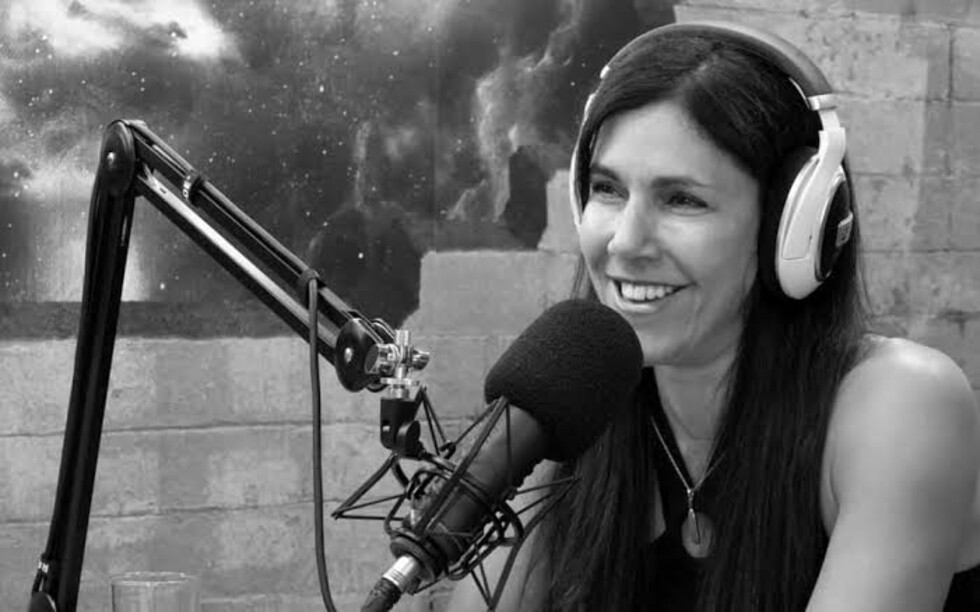
Reversing Alzheimers is no longer the stuff of science fiction. In this episode of Pushing the Limits, Lisa Tamati sits down with Dr Dave Jenkins — the leading Dr Dale Bredesen Protocol practitioner in the Southern Hemisphere — to unpack the breakthrough research that is proving reversing Alzheimers and early cognitive decline is genuinely possible. Dr Dave shares the stunning results from Dr Bredesen's new multi-site randomised controlled trial, which showed the precision medicine approach to reversing Alzheimers is six to seven times more powerful than the best pharmaceutical drug currently available. He also reveals the game-changing new blood test that can detect the Alzheimers process up to 20 years before symptoms begin — giving people a critical window to intervene, protect their brain, and take control of their cognitive future.
What if you could know 20 YEARS before symptoms appear whether you're heading for Alzheimer's? And what if there was a proven way to reverse early cognitive decline?
In this episode, I sit down with my dear friend Dr. Dave Jenkins — the leading Dr. Dale Bredesen Protocol practitioner in the Southern Hemisphere — to unpack the p-Tau 217 blood test revolution and the stunning results from Bredesen's latest randomised controlled trial.
Dr. Dave breaks down how a simple finger-prick blood test can now detect the Alzheimer's process with 95% certainty up to TWO DECADES before memory symptoms begin. This isn't diagnosing Alzheimer's — it's diagnosing the process, which means you have 20 years to intervene.
We dive into Bredesen's 2024 multi-site RCT showing the ReCODE precision medicine protocol is 6–7x MORE POWERFUL than the best Alzheimer's drug currently available in America (lecanemab) — a drug with devastating side effects including brain bleeds and even death.
Dr. Dave shares real clinical insights from his Bali longevity practice including the 30–60 "holes in the roof" driving cognitive decline, cutting-edge peptides (Semax, Selank, Cerebrolysin, Dihexa), bioregulators, and his personal experience with Klotho gene therapy that took his memory scores from the 70th to the 97th percentile in just 6 weeks.
This is essential listening for anyone with a family history of Alzheimer's, anyone watching a loved one decline, and anyone who wants to take brain health seriously BEFORE it becomes a crisis.
🧠 IN THIS EPISODE:
✅ The p-Tau 217 blood test — detect Alzheimer's 20 years early
✅ Bredesen's RCT: 6–7x more powerful than lecanemab
✅ The BrainScan panel: p-Tau 217, NfL, GFAP explained
✅ Why amyloid drugs chase the smoke, not the fire
✅ The 30–60 "holes in the roof" driving cognitive decline
✅ APOE4 genetics — who needs to pay attention
✅ Peptides for brain health (Semax, Selank, Cerebrolysin, Dihexa)
✅ Klotho gene therapy — 70th to 97th percentile memory scores
✅ Dr. Dave's Bali longevity program at Ravivo Resorts
✅ How NZ/AU listeners can access testing remotely
🔗 CONNECT WITH DR. DAVE JENKINS:
💊 EPISODE SPONSOR:
MitoSynergy BioCopper1 — Get 10% off at mitosynergy.com/lisatamati
The patented copper nicotinate chelate I take daily for mitochondrial ATP production, mental clarity, and sustained focus.
🔗 WORK WITH LISA:
🎙️ Pushing the Limits Podcast — lisatamati.com/podcast
PTL SIGNAL — AI, Tech, Bitcoin and Markets:https://ptlsignal.comFree founding member access to our AI-powered Financial Document Analyzer — earnings transcripts, annual reports, Fed minutes analysed in 60 seconds.
We would like to thank the sponsors of this show:
🔬 Resources & Links
Rejuvenate Pro — Immune, Gut & Longevity Support Lisa's flagship supplement developed with Dr. Elizabeth Yurth at Aevum Labs. Targets immunosenescence, gut integrity, and cellular aging. → https://shop.lisatamati.com/pages/rejuvenate
My Immune Age Calculator Find out how fast your immune system is really aging — using scientifically validated blood marker ratios from a standard CBC. Get a personalised 16-page clinical report with actionable recommendations. → https://myimmuneage.life
Your Health Compass — 14 Health Screenings in 10 Minutes Clinically validated risk assessments covering diabetes, autoimmune conditions, brain health, cancer risk, mental health, and more. No blood tests required. Instant personalised report. → https://yourhealthcompass.org
Lisa's Full Supplement Range Curated longevity and health-optimising supplements from leading researchers worldwide. → https://shop.lisatamati.com
Lisa's Ai, Tech, Crypto and Bitcoin website with free Earnings Call Analyzer: https://www.ptlsignal.com
Book a Consultation with Lisa Functional medicine consultations for complex health cases — genomics, hormones, gut health, longevity protocols. → https://shop.lisatamati.com/pages/work-with-lisa
🤝 Support the Show
Pushing The Limits has been free for over 11 years. Help us keep it going: → Join Lisa's Patron Community: https://www.patreon.com/pushingthelimits → Buy Lisa a coffee: https://www.buymeacoffee.com/LisaT
Subscribe: Apple Podcasts | Spotify | YouTube Contact: support@lisatamati.com
Episode Transcript
LISA: Hi everyone, welcome into Pushing the Limits. Today I have my friend Dr. Dave Jenkins all the way from Bali. Welcome aboard again, Dave. You've been a repeat offender on this show and we've become friends over the last few years, haven't we? And you're doing some absolutely amazing things. You're one of the great humanitarians in the world of longevity and Alzheimer's and neurodegeneration. You've done some amazing projects over the years and someone that I really respect and admire — the work that you and Miki have been doing. So welcome to the show, and I want you to give us a bit of an update on what you're up to over there in Bali and what you're doing lately with Dr. Dale Bredesen's work. I've had Dr. Dale on the podcast as well. So yeah, give us a little bit of a brief, Dave, on what you've been up to and who you are for those who don't know you.
DAVE: Yeah, good morning Lisa. It's always fun to be back on your show. I listen in usually — like this morning — with my ice packs on and doing some weights, while we biohack ourselves to keep ourselves young so we can carry on this great work.
What I do is — I would say I'm an optimal health and longevity physician. I practice functional and precision medicine, meaning that we look at all the biometrics and biomarkers, we optimise them, and then we get people onto more advanced therapies once we get their baseline established. Then we look at the science, which is evolving so rapidly, and look at what therapies would best suit the individual.
I've been doing a lot of work with the Bredesen practitioners. So when it comes to Alzheimer's, neurodegenerative disease, Parkinson's — that's what I'd call my subspecialty. But I have extended it into other areas like the number one killer, cardiovascular disease. There are ways to identify whether you're going to have a heart attack to the degree of 98% success rate now — like 20 years before you're going to have a heart attack, you can find out whether you're at risk.
These biometrics and tests are changing the game completely, because we can say to an individual: do you not want to die of a heart attack and a stroke? Do you not want to die of cancer? Do you not want to die of dementia? And now we're also doing chronic kidney disease, and obviously metabolic disorders — is your insulin too high, etc. This covers 80% of the causes of death, and we can pick them up early, we can fix them, and then we can add true rejuvenating therapies that tell your body to grow younger. So Alzheimer's is a model for that. It's an example of a broader optimal health longevity precision medicine protocol.
LISA: Absolutely amazing. So yeah, let's talk about Alzheimer's and your work with Dr. Dale Bredesen. You've published with Dr. Bredesen. In the Southern Hemisphere you are the leading practitioner in the Bredesen Protocol and the ReCODE Protocol. He's been doing some clinical research of late that I wanted to share on this show. Can you tell us briefly who Dr. Bredesen is, why his research has been so pivotal in this Alzheimer's and neurodegenerative space, and then the p-Tau 217 research that he's been doing — what's that all about and why is that exciting for you?
DAVE: So Professor Dale Bredesen is a research neurologist. He was asking the question in his lab, using rats that he gave Alzheimer's to, why do brain cells die? Why does Alzheimer's happen? He asked this for 20 years in the lab. He started to get some clues, and someone found out about him who'd just been diagnosed with Alzheimer's and called him up and said, "Can you help me?" He said, "Well, I'm just doing the rats, but I'll tell you what I think you should do." And he sort of forgot about her. She rang him three months later and said, "I'm getting better. My brain scores are improving, my cognitive scores." That was the aha moment that he might be onto something. This was 2012.
He's gone on and developed his functional medicine, precision medicine approach, asking the question: what is causing Alzheimer's? It turns out there are 30, 40, and probably even 60 underlying perturbations. He calls them holes in the roof. You have to address most of them, or at least enough, to get the brain cells to start pulling together instead of pulling apart — the neurites, the synapses where they come together and where the hormones and neurotransmitters cross over that help us think.
So he put together a protocol. He first published 10 cases, and then I got involved and got trained with him in 2016, and we co-published 100 cases — the first ever 100 cases of documented early cognitive decline and Alzheimer's reversing, with parts of the hippocampus improving and increasing in size. I think that gave him enough impetus. He's been trying to get a controlled trial up and running for years, but the problem has been the ethical committee. It's quite a crazy situation. He's finally got it up and running, and last year at the end of the year he published the results. It's going through peer review, but it will be formally published.
70 people with early cognitive decline, and a control group with just the standard of care — whatever people get told with Alzheimer's. They were just told "you've got Alzheimer's" and given whatever their neurologist told them to do. Then this group did the precision medicine multi-site trial, and the results are stunning. Not only that, there was a crossover — I've got a slide from one practitioner showing the people who were doing nothing going down, and then they crossed over into the precision medicine, and their cognitive scores, which had been going down, go up. That's always very powerful when you see that.
So we're addressing the major issues: inflammation, leaky gut, lack of exercise, poor diet, high insulin levels, high glucose levels, toxins like mercury — we see this all the time — mould illness. I've got a client now full of mould and inflammation. Just finding these issues, addressing them, and a general boosting of health. He's shown that statistically, this is six to seven times more powerful than the best therapy you can get in America, which is called lecanemab. It's a terrible drug. Every two weeks, very expensive, has terrible side effects — even death is a side effect, brain bleeds — and yet this is what they're giving people. Whereas you've got this functional medicine approach.
So we're very excited about the results, and we're very excited about a biomarker that's come out in the last year called p-Tau 217. I often talk with the families of my clients who've got Alzheimer's, and the children will say, "Well, what should I get tested for to make sure, because it seems to run in our family?" Obviously the APOE4 gene is something people can get measured, but now we have a thing called p-Tau 217.
So the pathological hallmarks of Alzheimer's are amyloid plaques and tau tangles in the brain. When people get their brain tested once they die and postmortems are done, this is the diagnostic. We're now saying we can diagnose Alzheimer's before death, which is a fantastic thing, partly through this new tau tangle. So when you start getting Alzheimer's, you get these tangles called tau. They find little fragments break up, they find themselves in the spinal fluid, and then they find themselves in the blood. They've been working on trying to diagnose this process. It's not diagnosing Alzheimer's — it's diagnosing the Alzheimer's process.
We can now say with 95% certainty that if you get a blood test, p-Tau 217, and it's positive, you are almost certainly — unless you change your ways — going to get Alzheimer's. 20 years before your symptoms start.
LISA: Wow. 20. Let's say that again. 20 years before you get memory symptoms, we will know from your blood test that that was the case. Wow. So this is massive for prevention and early detection. People who are genetically at risk with the APOE4 gene can go and get tested. Alzheimer's has become the number one killer of women in Australia and Great Britain. It's a big deal. And we still struggle to educate mainstream medicine to know about this. I don't know any other doctor that knows about this in Australia and New Zealand. Maybe one of the functional medicine doctors like my friend Dr. Elizabeth Harris — she'd probably be the only other one. And of course any Bredesen practitioner, if they're keeping up to date, should know about this. But hardly anybody does.
DAVE: Yeah. Look, people can look it up. It's called neurocode.com. Look up neurocode.com — it's all there. I'm a registered practitioner. You need a practitioner to prescribe it and get it sent to your home — finger prick, sent back to America. You'll know within a couple of weeks. And it's not only the p-Tau — there are some inflammatory markers in there, and it's a very good measure of your treatment. So not only will we diagnose that you will get it, we can track it as we put you on therapies. If it's not coming down, we have to go: well, this is not working, why is it not working? But it should come down over time to a normal level, and you can be reassured that if you carry on your healthy lifestyle — taking things like fish oil and curcumin, keeping your brain uninflamed — then you're going to be fine. You will not get Alzheimer's.
LISA: So this is the biomarker panel called BrainScan, is that correct?
DAVE: Yes.
LISA: And there's a GFAP and an NfL as well on that panel. Can you explain those two?
DAVE: So we get into a bit of complexity there, but p-Tau 217 is the main one for Alzheimer's. The others are inflammatory proteins and peptides. They help — they also get positive with other neurodegenerative conditions and even traumatic brain injuries. So they help tease out patterns, and you can use those also for early biomarkers for therapies. You can see if one is high and another is low, then that pattern represents more this type of degeneration, whereas another pattern represents another type.
Because it's so new, I just don't have enough clients yet who have done it to have personal experience of those patterns. But that will come. We meet every month — the Bredesen practitioners on a thing called the Town Hall online — and talk to Dale and others. These patterns will start to emerge as we get real-world experience from practitioners around the world, as well as our own clients.
LISA: Can anybody do this — say, work remotely with you, get that test sent to New Zealand or Australia or wherever, sent to America? You don't have to fly to Bali to see you in the clinic per se?
DAVE: No, no. Most of my clients at the moment are in England. A new client in New Zealand who wants the p-Tau. I have clients in Australia. I generally don't take American clients because I just refer them — the American system is better for testing, so they may as well stay there and use practitioners there. But I have clients in Europe. I've had people in Hong Kong. We always find a way.
LISA: So once you've done this testing and you've got something, then you'd probably need to see you in person in your longevity clinic in Bali to implement some of this? Or you can work remotely?
DAVE: No, you don't need to. The reason we work in Bali is that most people, if they're highly motivated and they get good support — and it's mild cognitive impairment, just before you get full dementia — they can do this with my help on their own, maybe with a local practitioner if they need hormones prescribed. That's generally the only thing they need prescribed — a hormone. And generally that's not a major issue because most doctors are finally catching up with the importance of hormone replacement.
But we also offer a live-in cognitive rejuvenation program here at Ravivo Resorts, which is arguably the best wellness resort in Bali. It's a fabulous place, a lovely vibe — everyone just relaxes when they come here. They have a whole bunch of practitioners and a whole lot of biohacking machines — intermittent hypoxia, red light, PEMF — and a great diet. It's an opportunity for us to rejuvenate cells, rejuvenate mitochondria, get the mental side of things sorted, get people into meditation, into some heart rate variability work, which is very important.
So for someone who has the financial resources, it's really a great idea to come and get an intensive, learn some new habits, and then take them home. We can also get peptides here. My client that's living in at the moment, he'll go home with a bunch of very good neurostimulatory peptides up the nose — Semax, Selank, Dihexa.
LISA: Love those.
DAVE: And then we'll get them on epitalon and bioregulators as well.
LISA: Yeah, I'm a big fan of the bioregulators. I've had Dr. Bill Lawrence on the show a couple of times as well. Stacking all of these things is the approach that both you and I are very keen on. I learned that from Dr. Dale Bredesen — it's the 36 holes. When I spoke to him it was 36, now it's more holes in the roof that we're trying to block off. You need to do things in a multifaceted approach. It's always exercise, diet, the mind stuff, the breath work, the meditation. Then adjunct therapies that go along with it, peptides and bioregulators on top of that, and then some specialised stuff that you guys have access to that not the rest of the world has. And when you do that, you achieve extraordinary results.
You and I have achieved extraordinary results with people who are very motivated to do this, because this is a whole process. It's very easy when you get an Alzheimer's diagnosis to just go, "Oh well, that's it, that's me done," and sit back while your loved ones prepare for the hell that's about to hit them. There's so much more that we should be doing and that they should be being told. That's why this education platform is so important. Yes, you can go down the route of normal decline. But if you don't want to, and you're willing to work really hard and be proactive, and you have a husband or wife or daughter or son who can actually help you if you've got the disease — I find that really beneficial when they've got a driving helper, an advocate beside them to help them implement it all. That's very powerful.
I've seen it with my mum achieve amazing things. Yes, we have some issues now, but we've got an extra 10 years and she's still doing pretty well. Quality of life is still pretty good. We've got some stuff I'm still working on, but it's that mindset — I'm not giving up and I'm still working on it. Whereas I hear a lot of people, as soon as they get a diagnosis — mum's had about 10 of those "you're dying, there's nothing you can do" diagnoses — and I just, like my mum, we're not even entertaining that thought. We are on a mission, and together we're on a mission every single day. But therein lies the power: you can take control back and do something proactive. Not everything will work, and you've got to have a mindset that this is an adventure and we're off on it. People like Dr. Bredesen are angels who've been working hard in this space up against unbelievable opposition.
DAVE: Yeah, for no apparent reason other than money that others can throw at the medical model. And you're going to see this play out very shortly. I suspect you're going to see major laws banning peptides, because Lilly wants their retatrutide to be the only one in town.
LISA: It's an amazing peptide.
DAVE: It is an unbelievable peptide. But look out for that in the future, unfortunately — it's just going to drive the whole thing underground, and you won't know how many toxins are in the peptides coming from China and all of that. It's a very sad medical model. It needs to change, and we just keep chipping away at it.
As far as mindset is concerned, we use a lot of behavioural science. We bring in what we know about how to help people change. I always say to my clients, "Look, don't get overwhelmed with what you need to do. We're just going to start with something you can achieve. And if you can't achieve this, then I'm asking you to achieve too much." You go right down to the smallest change they can achieve. It might simply be, "Yes, I can take a fish oil every day. Okay, I'll do that." Something starts shifting in the mindset if you start to achieve little goals. And the most consistent thing I hear from my clients at the six-month mark is, "Oh, this is just the way I live now. I wake up, I do fasting, I do my exercise, I come home and have my blueberries and coconut yoghurt, I take my 10 supplements, then I meditate and do my brain training. And I am so energetic and happy with life." That's what I hear over and over and over again.
LISA: Over and over again. And you know what, I'm not the world's best marketer. I really need to get testimonials. I'm just so stoked that this is happening. I forget to ask, "Can you give us a testimonial?" I feel bad asking. I need to be a better marketer because I really want to help a lot of people. We're definitely helping some, but I think there's opportunity to help a lot more.
You set up SurfAid, you helped in rural New Zealand with the Māori community — you've done massive humanitarian work. I take my hat off to you. I think you're a bit of a legendary humanitarian on top of being an excellent doctor. You don't get enough accolades for everything you've achieved. I think you're pretty amazing. And it's really important that we have these passionate people. Unfortunately, these passionate people aren't marketers. So you get the marketers who make the money doing the BS, but the people who are actually doing the hard yards — like Dr. Bredesen, who've been doing it for decades, really doing the science — need to be appreciated.
We could be impacting a lot more. I just did a podcast last week on robotics in healthcare, and I'm passionate about getting that going because I can see the avalanche that is the aging population, the sick population, and the lack of healthcare workers. We've got a worldwide shortage of 10 to 15 million healthcare workers in the next five years. It's huge, Dave. We need to make progress in that area. And by the same token, you're telling me the statistics on Alzheimer's — it is absolutely horrific. The amount of people who are going to have Alzheimer's or dementias of different types, not to mention traumatic brain injuries, is going to hit the health system. And it's inverting — we're getting a lot more than we've had in the past, just because of the age of the population.
So we desperately need to get these messages out to the world: you can do something about it besides taking a horrific drug that will tear your brain apart. They've spent billions on their drug to rip out the amyloid plaques out of your brain, and that doesn't work. Like Dr. Bredesen says, that's more the smoke — there is a problem, but it's not the thing you should be actually going after. That makes a whole lot of sense to me, because it's a metabolic situation you're generally dealing with. That's why the APOE4 — getting your genes done and knowing your APOE status, are you at high risk for that?
DAVE: It's very challenging. I just spoke in Egypt at the first longevity conference up there and I presented the work. In the audience was one of the Saudi royal family's personal physicians. The Alzheimer's rates in that whole region — dementia is going to overtake cardiovascular disease by 2050. It will be the number one cause of death throughout the whole region. And it's partly their metabolic problems — they've got diabetes, they're not exercising, it's too hot, they don't go out. I said, "Why don't people exercise inside?" And no one could give me a clear explanation. It's just not culturally ingrained. They also have very high air pollution, and we know air pollution and micro-pollutants are going up through the cribriform plate into the brain.
Anyway, after my presentation he came up to me: "We've got to do something together." But then you've heard what's happened in the region — even before the war broke out, he just disappeared. I don't know what happens. They realise they need to do something, then there's resistance to change in all of us. Like I was saying, we just need to make a few steps, get them right, and get them successful.
LISA: Sorry guys — typical bloody phone goes off in the middle of your podcast. But yeah, I think people have a will too. Sometimes you just get busy, and then you forget. You go to these conferences all excited, "I'm going to do this, I'm going to do that," and then come back home and I'm back into my work and I'm like, "Oh yeah, I was going to contact so-and-so." I think we all get into that busy phase.
Well, tell us a little bit about the centre you're working in at the moment in Bali and what you're trying to achieve there, and then what your bigger plan is for the future. Where are you heading in this world? You and I are both trying to have a big impact on the world. What's your mission at the moment? What do you need help with? We have an audience here that is listening, proactive and interested in this sort of stuff.
DAVE: Yeah. The clients that come to me and struggle with the program — I've analysed why they're struggling, and it's because they can't get over those behaviour changes. They also don't have access to advanced biotech and biohacking — increased mitochondrial energy devices. And they also need help experiencing what a beautiful green Mediterranean ketogenic diet feels like. They don't actually know how good you can feel.
So getting them past those barriers in a live-in retreat allows them to understand that when they're fed well, when their body's rejuvenated with the biohacking machines, when they're using peptides, they start to feel them kick in. Then they can go home and do this. We help people plan, and we bring their families up. We've had daughters coming, spouses. We sit together and plan for when they're going home. We see their cognitive tests improve, and that's highly motivating for people.
Everyone, if they can, should come for at least a month. We have the intermittent hypoxic machine, and we're getting a hyperbaric chamber — 2ATA — that will be on the ship soon. So we get people on the mend, and that's a self-fulfilling program. When you've gone from "I can't remember what I had for breakfast" to being able to say exactly what you had for breakfast and not repeating yourself, it's highly motivating. Everyone around you is supporting you, and you can go home and continue the journey. Not that we dislocate from our clients — we stay with them — but the aim is for them to become independent of me. Most clients check in once a year and have their tests run again to find out if there's anything new.
The other thing that's happened in Bali — there's a special economic zone that's been set up, and there are two clinics. I'm in the early stages of talking to them, but we'll be able to offer things like stem cells and peptides — very good ones, some of the world's best. So you will be able to get access to these therapies. And Klotho gene therapy, we hope.
I've had Klotho gene therapy. My memory scores went from the 70th percentile to the 97th percentile in six weeks. I was like, "Wow, I feel like an 18-year-old medical student again." It's like I'm consuming all this knowledge and it's sticking. Those gene therapies, especially Klotho for the brain — we can already get it for people in Southeast Asia. I point people to a particular clinic but I help them understand what they're getting. Hopefully we can have those therapies actually in Bali very soon. Super exciting.
LISA: Available soon, because you and I know the speed of change in countries like New Zealand and Australia, where the bureaucracy is so overwhelmingly slow to adopt new technologies. The AI, the technologies, the research are going at full bore right now and we're not getting the benefit of it. When you're up against it, you want to be doing these things now, not in 10 years time. A lot of us haven't got time to be doing that. That's really exciting — the Klotho, the follistatin — all of those, really exciting research. I've done some episodes around that sort of stuff before, and it's fascinating.
Congratulations on what you're doing over there. I know you've got some bigger plans that we'll be announcing later on — that you're working on that's still in the pipeline. I just want to thank you for coming on today, Dave. I'm going to have to go off and rescue mum again — the caregiver life. I get one-hour blocks to work maximum. So I'm going to have to run off and move her. But that — I'm living that reality, right? I'm living the stuff that you're trying to prevent people from going through. And that's why this work is very important. Mum's been very lucky to have me and people like you in her life, who have helped her stay well and live 10 years longer so far — and many more to come, hopefully — than she was meant to, with her brain in the state it was, with brain cancer and aneurysms and all the other stuff she's experienced.
So just thanks for your hard work. I'm so glad to call you a friend and have you on the show and share your visions. Thanks, Dave, for coming on. Any last words — and where do people go to find you? That's the most important thing.
DAVE: Yes. So youngerbyscience.com — the website needs a bit of work, to be honest, but it will explain some of the rejuvenating therapies and what we do as far as a general approach. If you decide you'd like to have a long, healthy life — not have a heart attack, not have a stroke, not get cancer, not get dementia — then go there. If you have got early cognitive decline, or a parent has been diagnosed, then endalzheimers.com.au is our specific website. Either of those will work. Reach out and make contact — click the contact tab — it'll get to me, and we can have a chat about what we offer and how we can help.
LISA: That sounds absolutely brilliant. Well, thank you, my friend. Wonderful to catch up with you again today, and we'll have you back on again soon.
DAVE: All right. Have a nice day down there in Taranaki. One of my favourite places. It's pretty cool.

Listen Via...




What listeners are saying
My favourite running podcast by miles⭐ ⭐ ⭐ ⭐ ⭐
This is the best podcast for long runs. Lisa is just so relatable, honest, funny and inspires me to push my own limits. Awesome guests (I particularly enjoyed the podcast with Kim Morrison) and a wide variety of topics covered. Thanks for keeping me running, Lisa!
Jinni S via Apple Podcasts · Australia · 07/02/19
-----------------------------------------------------------------------------------------------------------------------------------------------------------------------------
My favourite podcast ⭐ ⭐ ⭐ ⭐ ⭐
Helps me get through my boring desk job. Absolutely love this podcast. Great topics and advice that has helped me to better myself and my approach to running.
alekslikestorun
-----------------------------------------------------------------------------------------------------------------------------------------------------------------------------
Two thumbs up ⭐ ⭐ ⭐ ⭐ ⭐
Always great guests, great insights and learnings that can be applied immediately for every level of experience.
JonnyHagger
-----------------------------------------------------------------------------------------------------------------------------------------------------------------------------
Motivational and Inspirational ⭐ ⭐ ⭐ ⭐ ⭐
I am getting my mojo back with regards to my health and running after treatment for breast cancer, I connected with Lisa as I was looking for positive influences from people who are long distance runners and understand our mindset. Lisa’s podcasts have been a key factor in getting me out of a negative space where I allowed others limiting beliefs to stop me from following my heart and what I believe is right for me. After 18 months of being in cancer recovery mode I wanted to get out of the cancer mindset and back to achieving goals that had been put aside. Listening to Pushing The Limits has put me onto other great podcasts, and in the process I have learnt so much and am on a pathway to a much better place with my mindset and health. Thanks so much Lisa for doing what you do and always being you.
L.Faire